
Different car seat materials require distinct maintenance: genuine leather needs mild, pH-balanced conditioning to prevent cracking; faux leather requires gentle cleaning and targeted wear-point protection; fabric demands rapid stain response and steam deep-cleaning; and velour requires soft brushing and anti-static care to prevent dust accumulation.
Table of Contents
The quality of the car seat is the largest link between man and machine and an efficient material treatment results in an indication of preserving the seat aesthetically and service life; moreover, as well as the source for the overall feeling of inside comfort and driving effect. Each material has its own properties and has its own treatment. These are common materials used in car seats, and detailed recommendations and guidance on various types of materials.
Auto Seat Material Maintenance Comparison Table
| Material Type | Tactile Feel & Characteristics | Daily Cleaning Routine | Core Maintenance & Protection | Major Pitfalls & Warnings |
| Genuine Leather | Premium, supple, luxury feel | Vacuum, then wipe with a slightly damp microfiber cloth | Apply pH-balanced conditioner 2–3 times/month; use sunshades to block UV rays | Too much moisture causes mold; improper cleaners degrade leather integrity |
| Faux Leather | Affordable, practical, low-maintenance | Vacuum, then wipe with mild soap or professional faux leather cleaner | Apply leatherette protectant every 3–4 months; protect high-friction side bolsters | Aggressive scrubbing will permanently ruin the quality of the surface finish |
| Fabric | Cozy, soft, highly breathable | Vacuum regularly; blot (do not scrub) water-soluble spills immediately | Use a steam or extraction cleaner regularly to kill bacteria and dust mites | Over-saturation traps moisture in the foam, causing mold and foul odors |
| Velour | Ultra-soft, plush feel; highly porous | Gently brush away surface dust using a soft-bristled brush | Spray with a fabric protector every 2–3 months; use anti-static spray | Dry climates trigger static electricity, turning the seats into a dust magnet |
1. Leather Car Seats
Good leather is very much loved for the deep chewy material and huge super-invisible body you might find on your hands, so maybe it should be given long, long trips for a trip to the lab before it becomes just waste of time. Regular cleaning: Step 1: sweep the surface and any dust and debris with a bristle brush or a vacuum. This microfiber cloth is most appropriate in very thin places with some dampness. Wipe off: The leather must be wiped down. Too much moisture causes mold and inflamed joints. Dress everything in fresh cloth. Conditioning: Add Advanced Leather Conditioner 2-3 times a month. Make sure that the conditioner is spread evenly in the seat and rubbed into the leather with a fine powder or a soft sponge and for a long time the cloth is spread out till the leather remains evenly covered with the conditioner.
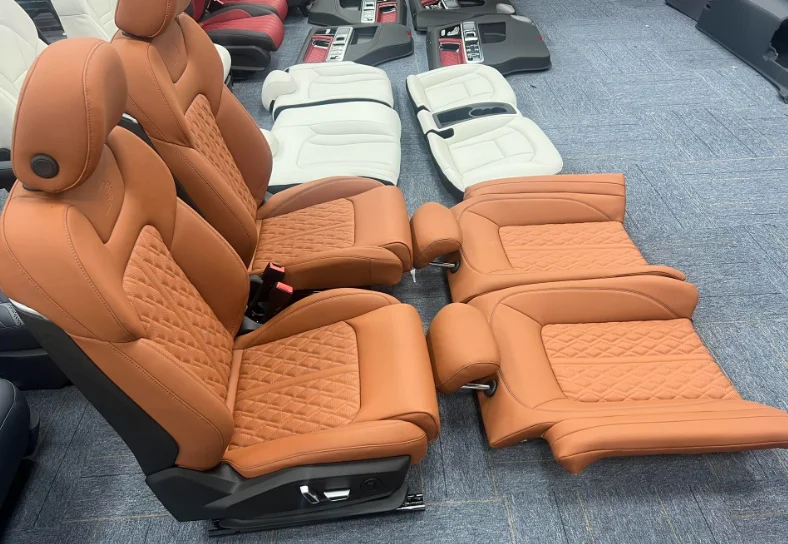
The conditioner can penetrate the leather completely. The solution helps to restore leather’s natural shine and adds a protective layer against cracking, fading and erosion of it. So that loss of leather’s integrity does not occur as much as possible, use a top-of-the-line quality conditioner and the use of a carefully balanced pH. UV protection: The enemy of leather is staying in the sunlight too long. This may cause fading, hardening and aging. Employ windshield shades wherever you can, and park beneath the shade.
2. Faux Leather Car Seats
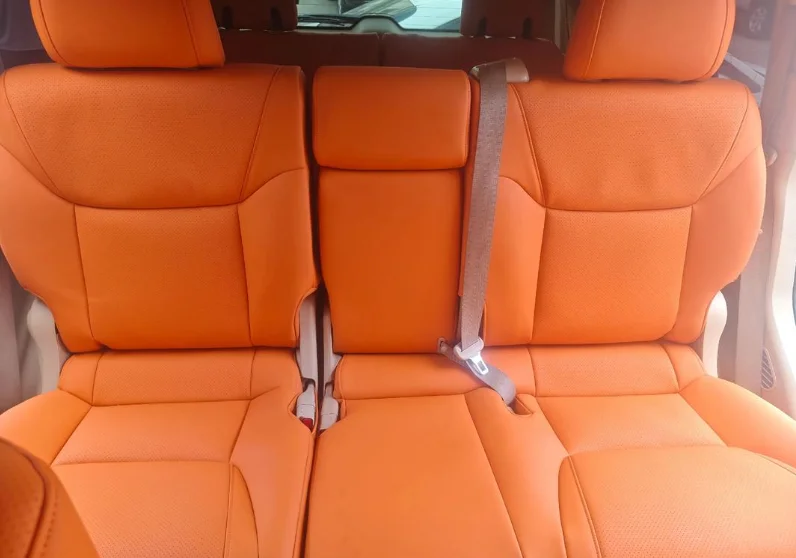
Faux leather is inexpensive, easy to clean and wash — but adding touch more than it’s worth. Daily Cleaning: Vacuum first. For example, wipe everything in a safe place: use a light soap or use a mild soap on it or a professional faux leather cleaner. When you don’t scrub too much as it spoils surface finish too much and it will ruin any quality of the surface finish on it. Take up the cleaner with a wet cloth and carefully dry with some cloth. Daily Care: You need to apply leatherette protect ant every three to four months. It maintains the soft and polished essence whilst promoting the water-wearing and stain-resistant properties of the material. Avoid build up; always use protect ants to avoid filling out. Wear points: Faux leather wears out more than you would like and its wear points are the sharpness of the side cushions and also the high friction areas where the gaps are and your cushion sits between the backrest and the surface. Niche seat covers are also used to keep protection to the area of wearing most of the seats and may even prolong the upholstery cycle.
3. Fabric Car Seat
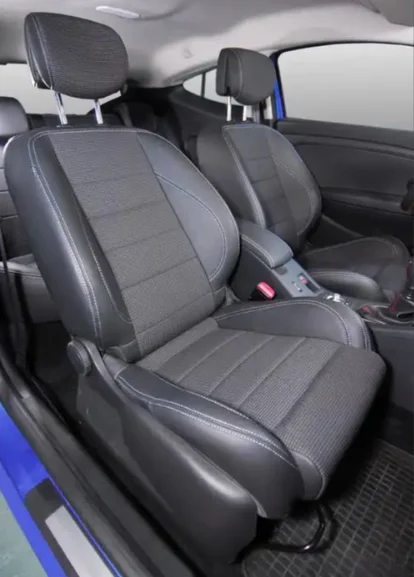
The quiet quality and breath ability of the air of fabric car seats appeal to the owners, but cleaning the seats is another story. Keeping the seats clean: Cleaning them often will find dust, hair and trash. A leak response must occur immediately. For drinks or juices that have water-soluble stains, use a clean towel or damp cloth with a mild cleanser (to aid patting) and rinse cleanly with clean water. Use a fabric stain remover and follow manufacturer protocol for oil-based stains (grease and chocolate). You scratch fabric fibers, and if you scrub them too much, you will tear fabric fibers. Deep Cleaning: Make sure to use either an extraction cleaner or steam cleaner regularly as well. Car Steam Cleaner Work. You know that high-temperature steam flows through fabric to kill bacteria and dust mites and you know that it’s also really good at removing extremely stubborn stains? So following the cleaning, ensure your seats are completely dry by rolling down the windows and letting air in or putting the hair dryer down to prevent mold from forming. Safety: With the protection, fabric protectors can save lives. The seat blanket covers the original room, as well as the style that you really want according to your personal preference, hence the interior appearance is even better.
4. Velour Car Seat
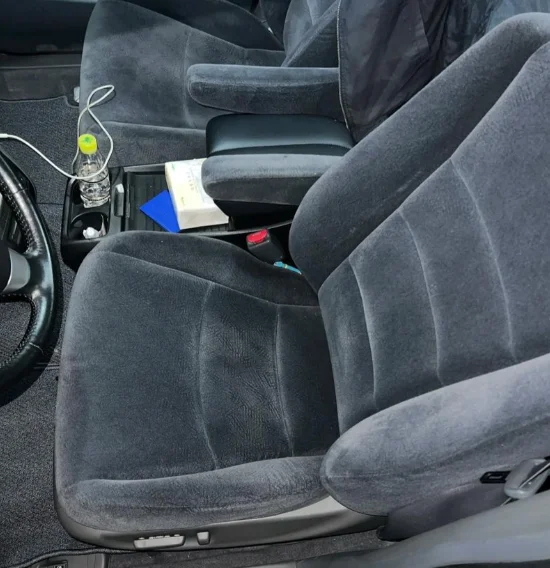
The velour auto seat is soft and nearly impermeable with the touch but may operate as a dust or stain magnet. Cleaning them is rather boring. Daily Cleaning: Utilize a soft-bristled brush to gently brush the surface dust (and always use a fuzzy brush until the material appears fresh, even like dust). For stains, warm water with a little neutral detergent. Use a new towel in the solution, pat it, rinse the towel with clean water, and repeat until the stain is gone. Be careful not to saturate the seat completely. This could destroy the texture and add great time to the drying process. Daily Care: Do a velour/fabric protector spray every 2 to 3 months. Spray the cover very well over the top of the seat, and wipe the cover to the surface with a clean towel to give the cover and then sweep it down to reach the fibers. This protector is stain-resistant when you don’t stain but makes naps easy to use as it helps prevent stain and keep naps both soft and fluffy. Prevent static electricity: Velour car seats can cause static electricity to diffuse and naturally attract dust in dry climates. You can apply an anti-static spray or a damp cloth or cloth over the seat to increase local humidity and to offset potential static.
So you will, they say, have to keep your car seats clean in cars, and different materials require very different care. Regular cleaning, maintenance and maintenance allow car seats to stand in good repair and remain uninterrupted. Simply put, the vehicle provides all who will be left sitting inside a space that’s beautiful, warm, which means that the seats will last longer, and that the car’s value stays exactly the same.