
While genuine cowhide leather offers “affordable luxury” and excellent breathability, premium synthetic (PU) leather is often the superior engineering choice for modern, high-performance cars due to its durability, flexibility for complex seat shapes, and easy maintenance. Fabric remains the least desirable option because it stains easily and absorbs odors.
Table of Contents
Fabric, faux leather, or genuine animal leather – most car owners absolutely consider genuine animal leather car seats to be the gold standard. This preference for genuine leather seems to be universal. Animal protection debate aside (the leather on most vehicles is obviously from non-endangered species), there are good reasons to love this material.
Car Seat Material Comparison Table
| Feature / Material | Genuine Leather (Cowhide) | Synthetic Leather (PU / Microfiber) | Fabric |
| Aesthetics & Vibe | Traditional, “affordable luxury” | Modern, sporty, highly customizable | Budget, basic |
| Shape Flexibility | Low (limited to conservative designs) | High (perfect for complex bucket seats) | Moderate |
| Durability & Wear | High (premium mechanical properties) | Extremely High (withstands high-intensity friction) | Low (wears out quickly) |
| Breathability | High (when perforated/ventilated) | Moderate | Very High |
| Maintenance | Requires specialized, pH-balanced cleaners | Very Easy (wipes clean effortlessly) | Very Difficult (absorbs stains, prone to mold/odors) |
What are the advantages and disadvantages of genuine leather car seats?
Of the ancient costumes of humans, animal skins were probably one of the earliest. This affinity can be traced back to early humans. In the early tribes, only the strongest would wear skins, and the weaker would tremble or wear leaves. Plant fibrous materials, such as hemp and even kudzu, appeared in the Neolithic, although this material paled in comparison to animal skins in terms of warmth. Because of this, animal leather was born as a luxury item from the early days of the primitive tribes, and it still is. But since car seats don’t have to keep us warm, is there any big value in genuine leather?
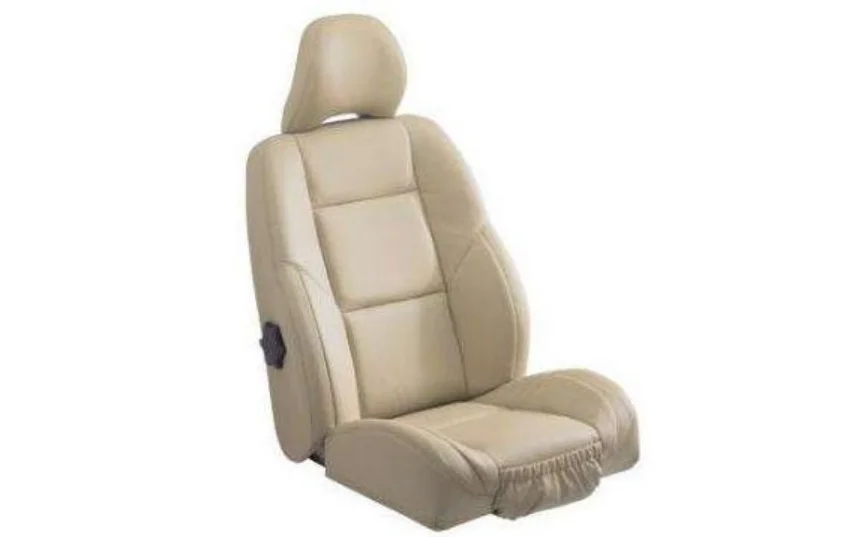
Firstly, genuine leather car seats offer an “affordable luxury” that is a major indicator of the level and quality of car trim. Beyond prestige, genuine leather has two main functional benefits – as long as it’s cowhide. Unsuitable alternatives include pigskin, horse skin, or sheepskin in car seats. The first two are stiff and rough, so there’s a rather uncomfortable, “bumpy” ride. As a soft, highly resilient sheepskin, sheepskin is wrinkle-prone and has low wear resistance, making it an ideal medium for garments.
Buffalo hide is similar in hardness to horse hide, with traditional cowhide being the only real alternative. Known for its fine pores, excellent breath ability and breath ability, excellent mechanical properties and beautiful tactile properties, cowhide is a premium raw material.
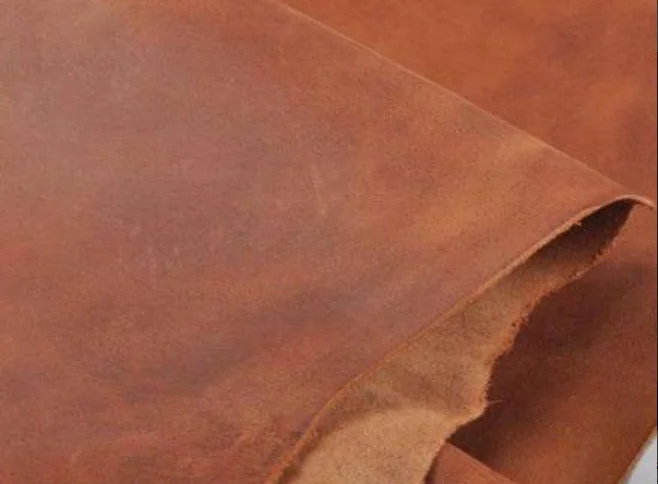
Too many drivers mistakenly believe that leather is not breathable. In fact, genuine leather seats are usually perforated. These tiny, very dense holes enable air passages to be used for “natural ventilation” or “active seat ventilation”. Natural ventilation is self-explanatory. Active ventilation uses a blower programmed with the air conditioning system to help push cool air through the cushion and backrest. A seat with these characteristics provides great comfort and helps prevent back sweat from becoming an issue during marathons. They also prevent sweat from seeping into the internal foam, which is an important precaution against unpleasant odors over time.
As for the claim that leather seats freeze in the winter – that doesn’t matter. Any car with leather seats has at least heated front seats. The internal heating element keeps these seats warm in minutes.
PU Faux Car leather: Is it not as good as genuine leather?
While this holds true generally in the luxury leather goods space, this is not necessarily the case in the automotive industry. While genuine leather looks better and feels softer, animal leather is known to be difficult to “make” into complex shapes, and not only for the human eye. Genuine leather is often used to create a seat with an extremely conservative traditional design. In contrast, the aggressively stylized “bucket seats” and “one-piece headrest seats” that have become popular in recent years feature clearly contoured, deeply contoured motion shapes, complex geometries that ultimately require synthetic leather.
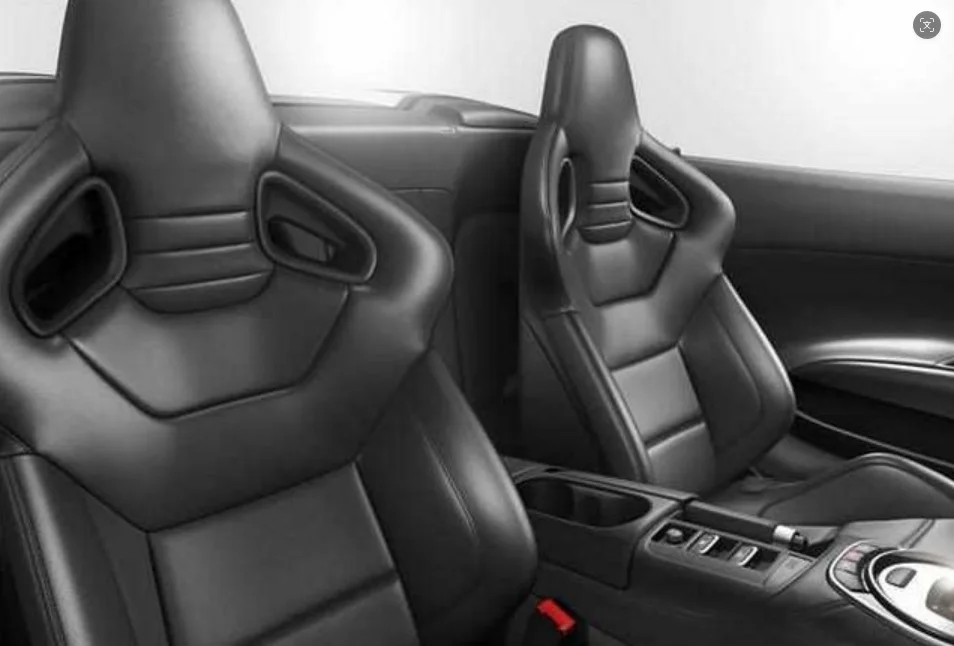
Synthetic leather is easy to shape and has a variety of colors, making it a color that natural leather cannot replace. So high-end sports cars opt for synthetic leather, but it’s not just the looks either. The premium microfiber leather is very hard wearing. Tested at room temperature, it can withstand folding itself a million times without tearing, and its high tensile strength makes it very, very difficult to scratch or puncture it. Since sports car seats are subjected to very high frequency, high intensity friction, using these advanced synthetic materials is the best engineering choice.
Moreover, fake leather is easy to keep in good condition. Unlike genuine leather, which requires specialized cleaners and a strictly balanced pH, synthetic leather makes the ownership process more time-consuming and allows consumers to choose their own very personal interior.
Fabric Car Seats: Are they always the bottom-tier option?
Answer: Yes.
Fabric is just a word, meaning Fabric. There’s no denying that fabric seats do feel very soft to the touch and are extremely breathable, which is why fabric sofas were the most popular in previous years. But everyone who owns a fabric sofa knows they can cause a huge headache — they get dirty quickly. Even if the fiber comes into contact with a slightly colored liquid, it dyes quickly and some marks persist. Ironically, its superior breath ability and permeability work in its favor here: sweat or rancid liquids can penetrate directly into the foam underneath. But most importantly, the smell produced can end up being very unpleasant. With things as simple as unzipping and cleaning fabric slipcovers, car seats are a whole other matter. You can’t remove it as a cloth and throw it in the washing machine. Cloth often gets stale and worn out more quickly than synthetic upholstery, both of which are not only difficult to replace later.
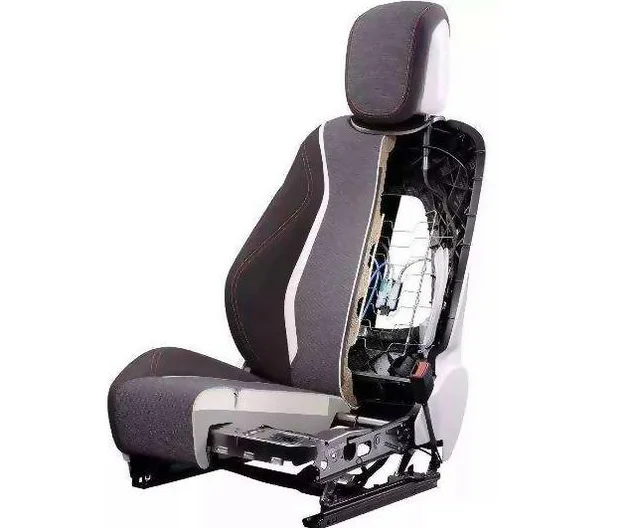
The leather is forgiving, a short walk with a damp cloth and it looks ready to enter the showroom again. Try it on the fabric and you’ll have reason to worry. Moisture is trapped in the foam liner and can become a host for mold without proper ventilation. Unconsciously, an unpleasant smell drifted across the cabin.
Key Takeaways
- Cowhide is the Gold Standard for Genuine Leather: Unlike stiff horsehide or fragile sheepskin, cowhide provides the perfect balance of durability, breathability, and premium comfort.
- Perforation Prevents Sweat: High-quality leather seats feature tiny perforations that allow for natural or active ventilation, keeping the cabin odor-free.
- Synthetic Leather Excels in Sports Cars: PU/microfiber leather is highly wear-resistant, easy to clean, and flexible enough to be molded into aggressive, modern bucket-seat designs.
- Fabric Seats are Hard to Maintain: Although soft and breathable, fabric easily absorbs liquids and sweat into the internal foam, creating permanent stains and moldy odors that are incredibly difficult to clean.