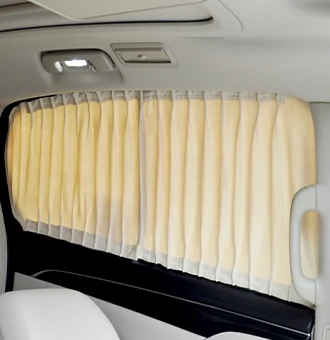
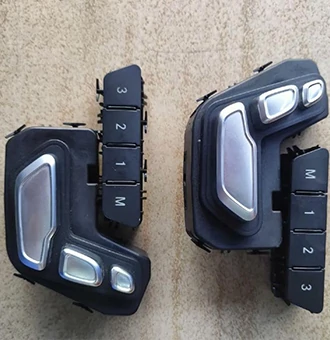
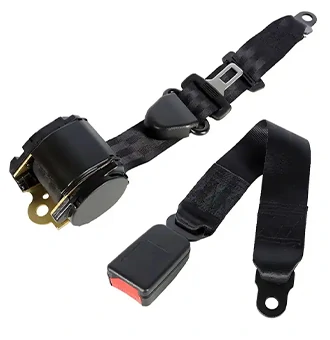
We use four key strategies when choosing parts. These are: choosing between OEM and aftermarket, checking compatibility, understanding local safety standards, and matching parts to specific vehicles and customer needs.
OEM vs Aftermarket Parts
The first thing is to decide sourcing original equipment manufacturer(OEM) parts or aftermarket replacement parts, which depends on your budget and actual needs.
OEM parts are made by the original equipment manufacturer, matching each factory’s specifications. Those parts are identical to those of the vehicle, ensuring consistent quality and fitment. Those advantages make them ideal for safety-critical components like seat belts and airbag parts. However, they value higher cost and are limited to older vehicles for some OEM suppliers.
Aftermarket parts are produced by third-party manufacturers and are designed as replacements for OEM parts. Those parts provide high competitiveness in price and more variety in materials and styles, which makes them suitable for comfort upgrades or budget-conscious buyers. However, the aftermarket part quality varies by manufacturer, and fitment may not always be perfect.
Ensure compatibility
Compatibility is a crucial factor in that incompatible parts are worthless, causing economic loss and may pose safety risks. Different parts have different fitment points. Based on part types, you need to ensure that the basic information and functionality of the supplier’s provided parts are compatible with your vehicle parts.
Part Type | What to Verify | Common Pitfalls |
Seat Frames & Tracks | Mounting points, floor pan contour, belt anchor locations | Assuming same model = same floor pan |
Recliners & Adjusters | Left/right orientation, manual vs. power, bolt pattern | Mixing up sides; mismatched mechanism type |
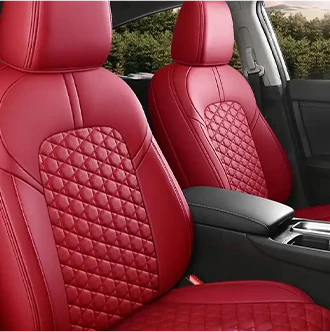
Seat Covers | Seat style, airbag compatibility, attachment method | Ignoring airbag deployment requirements |
Foam Cushions | Frame fit, cover attachment points, contour shape | Generic foam that doesn’t match original |
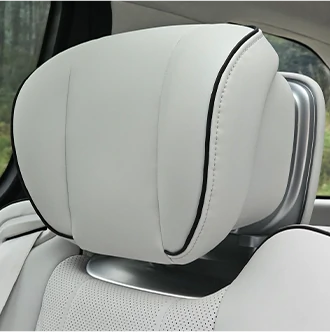
Headrests | Post diameter/spacing, locking mechanism | Assuming all posts are same size |
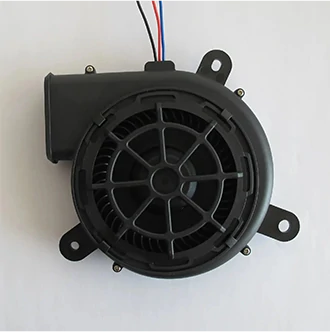
Motors & Electronics | Voltage (12V), connector type, mounting | Wrong connectors; incorrect pin wiring |
For example, when verifying car seat tracks, you should pay attention to the hole position and hole spacing(usually in millimeters). For electric seats, it is recommended to compare the pin definitions of the new and the old motors to avoid damaging the module caused by incompatible interface definitions.
Besides, you may should understand how to aquire according part information from some sources and tools. Request vehicle-specific fitment data from suppliers and match your vehicle to ensure compatibility.
l Vehicle Lookup —– For most structural and standard replacement parts, get year, make, model, and trim level to get standard and exact replacements.
l OEM part number—— If there is an original part number from your vehicle or old part, find parts to match the original manufacturer numbers.
l Physical measurement —— Measure the existing parts with tools, like dimensions and mounting points, to confirm part specifications.
Check safety standards
As different regions have their respective legal requirements and inclinations, you had better ensure all seat parts comply with regional standards.
l North Amecian follows FMVSS, which apply to structural parts, frames, seat belts, and materials to ensure crash safety.
l Europe adheres to ECE and REACH regulations with a strong focus on safety and sustainability. It generally covers child seats, complete seats, and materials compliance.
l China requires GB and CCC standards, which govern various seat parts and highlight technology and high-production capability.
l Globally, car seat manufacturers follow ISO standards. This provides testing methodologies and specifications for special needs vehicles and seat positioning.
Choose based on Usage
Before choosing seat car parts, understand what market and customers you are serving. Each customer group and market has different expectations and requirements. The first consideration is what kind of automobiles the sourced parts are used for. Inspect of safety, the biggest concern, different types of cars have different expectations.
Type | Concerns | Typical Customers |
Passenger vehicle & SUV | Cost and quality Comfort, Family Features, aesthetics, | Distributors, repair shops |
Commercial Vehicle | Durability, quality, long-haul comfort | Commercial vehicle centers, fleet operators |
Electrical Vehicle | Lightweight, smart features, suitainable options | EV manufacturers |
Off-highway Vehicle | High durability, weather resistance | Agricultural and architecture equipment retailers |
For example, if you are looking for seat covers, for those passenger vehicles, stain-resistant fabric is the primary choice because it hide dirt and is easy to clean; for commercialusage, you can choose Vinyl or heavy-duty synthetic leather, which wipe clean instantly and stand up high-frequency use; for electrical vehicle, sustainable synthetic leather or recycled fabric can be the primary choice; for off-highway vehicle, you may choose light-colored leather with UV protection in case of outdoor UV exposure, or Vinyl for long-term use.