1. Home
  2. »
  3. Custom Leather Car Seats

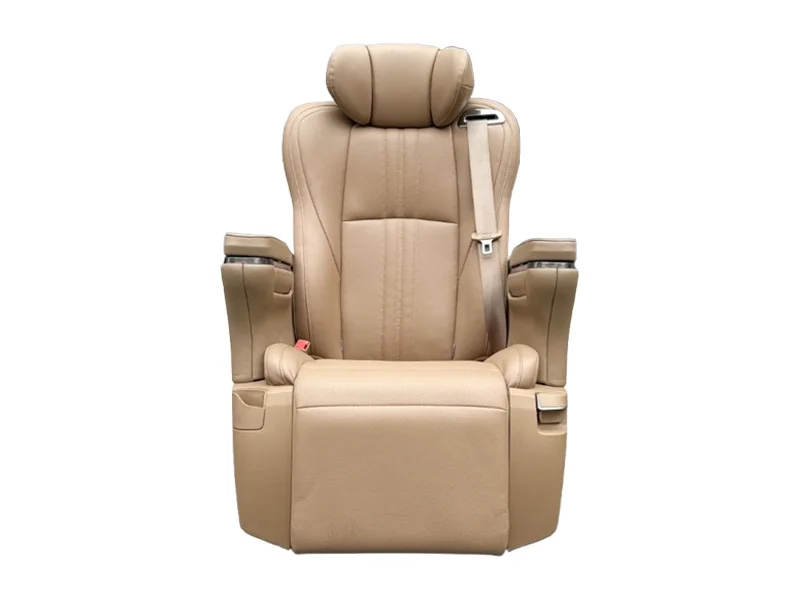
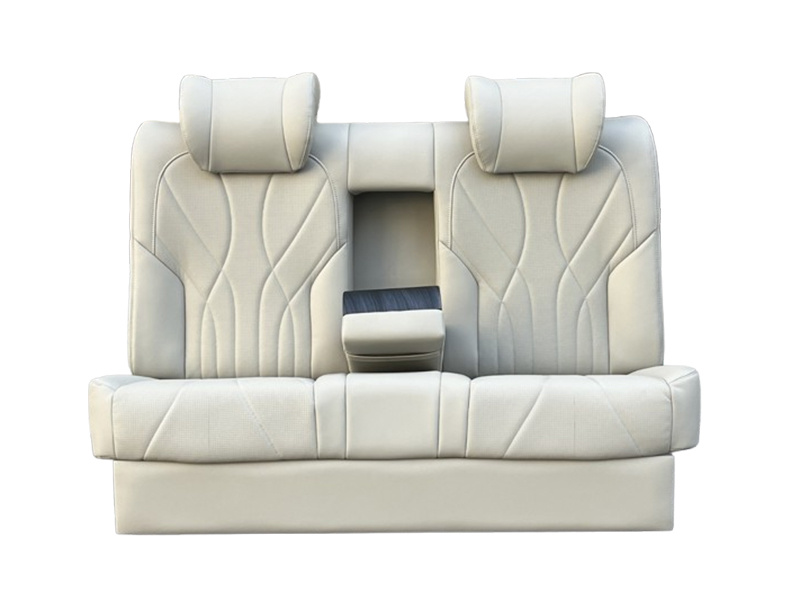
Custom Car Seat Leather Style for Various Luxury Automotives

We are Ready to Help, Reliable Since 2015

We offer top-grain cowhide—particularly yellow cowhide—which features a natural grain, is breathable, and highly durable; Nappa leather (unembossed, supple, and fine-grained) or full-aniline leather (vegetable-tanned, retaining its natural texture) are premium choices. Avoid imitation leather made from “split leather with a film coating.” The leather feels warm, soft, and supple to the touch, with a surface free of uniform artificial patterns, cracks, or color variations; natural leather has an irregular grain and fine pores; when pressed firmly, it springs back quickly without any hard lumps, and there is no strong chemical or plastic odor. Additionally, the product has a slight sweat-wicking effect and does not feel stuffy.

Automotive Seats Featuring Various Leather Types

Custom Car Seat Leather Colors and Materials

Premium Black Leather
Jet-black leather
Jet-black leather
Charcoal Black Leather
Basalt Black Leather
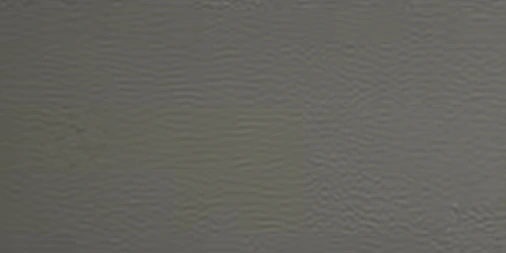
Iron-gray leather
Iron-gray leather
Sienna Dark Gray Leather
Audi Grey Leather
Audi Grey Leather
Mercedes-Benz Grey Leather
Benz Grey Leather
Extreme Rock Grey Leather
Minimalist Grey Leather
Domestic Sienna Light Gray Leather
Light gray leather
Light gray leather
Refined Grey Leather
Grey-brown leather
Grey-brown leather
Vintage Brown Leather
Chocolate Brown Leather
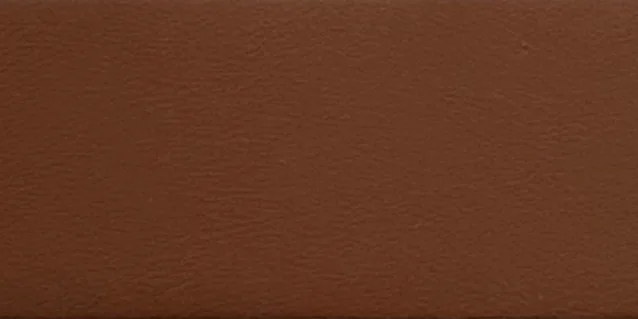
Red Card Brown Leather
Maybach Brown Leather
Devil Brown Leather
Devil Brown Leather
Dark brown leather
Dark brown leather
Khaki Brown Leather
Khaki Brown Leather
Cayenne Brown Leather
Reddish-brown leather
Brown leather
Brown leather
Earthy Brown Leather
Audi Grey Leather
Bentley Brown Leather
Mercedes Brown Leather
Yellowish-brown leather
Signal Brown Leather
Latte Brown Leather
Latte Coffee-Colored Leather
Chocolate coffee-colored Leather
Maybach Coffee-Colored Leather
Gentleman's coffee-colored Leather
Coffee colored leather
Bentley Yellow Leather
Hermès Orange Leather
Blazing Orange Leather
Moonlight White Leather
Tesla White Leather
Tesla White Leather
GL8 White Leather
GL8 White Leather
Ivory White Leather
Lvory White Leather
Oyster White Leather
Cream-white leather
Cream-white leather
Land Rover White Leather
Off-white leather
Off-white leather
Elegant Beige Leather
New Alphard Beige Leather
Light Beige Leather
Light Beige Leather
Modest Beige Leather
Maybach Beige Leather
Crown Beige Leather
Crown Beige Leather
Khaki Beige Leather
Khaki Beige Leather
Domestic Saffiano-style Beige Leather
Saffiano-style Beige Leather
BMW Beige Leather
BMW Beige Leather
Dominant Beige Leather
Alphard Beige Leather
Sapphire Blue Leather
Purple-blue leather
Purple-blue leather
Sky-blue leather
Sky-blue leather
Sky light Blue Leather
Aqua-blue leather
Aqua-blue leather
Deep Blue Leather
Deep Blue Leather
Dark Greenish-Blue Leather
Pagani Blue Leather
Pagani Blue Leather
Gray-blue leather
Gray-blue leather
Navy Blue Leather
Navy Blue Leather
Dark Teal Leather
Dark Teal Leather
Mist Blue Leather
Mist Blue Leather
Klein Blue Leather
Klein Blue Leather
Tiffany Blue Leather
Indigo Leather
Indigo Leather
Emerald Green Leather
Olive Green Leather
Olive Green Leather
Porsche Garnet Red Leather
Chinese Red Leather
Chinese Red Leather
Chili Red Leather
Chili Red Leather
Peach-pink leather
Peach-pink leather
Bordeaux Red Leather
Burgundy Leather
Burgundy Leather
Almond-colored leather
Raspberry Purple Leather

See Our Customer Success Stories

Car Seats Leather Custom FAQs

What types of leather are used for leather car seats?

Car seats are typically made of three types of leather: full-grain, top-grain, and corrected-grain. Full-grain leather is the strongest and most natural type of leather. Full-grain leather has a smooth, breathable surface. This type of leather is mostly used in luxury cars. On the other hand, top grain leather is the softest and has a more natural appearance since it has been gently sanded to make it more uniform and smooth. For most buyers, top-grain offers the best price-quality ratio.

Genuine leather comes from animal skin. It is breathable, ages well, and even gets better with use. Though artificial leather is less expensive, it is not breathable, and therefore wears off over time. Genuine leather is a better choice if you drive frequently because it is durable enough to last longer. PU leather can be another good choice if there is a limited budget, but the quality varies by brand.

The reason why Nappa Leather is wildly used lies in it looks very elegant and durable, making it very soft to touch. It is softer than other types of leather and can withstand any damage from usage over time. High-end brands like Mercedes-Benz, Audi, and BMW generally use Nappa Leather as their standard choice for leather.

Stitching can be categorized according to several criteria, including type (single-stitch, double-stitch, and diamond quilt), color (leather color and contrast color), and extra finishing (piping, inserted strip of a different color, and embroidered logo).

Seat leather wrapping is an automotive trim process that custom-installs leather seat covers for models that did not come with leather seats from the factory. By disassembling the original car seat, making a template according to the shape of the seat and cutting the genuine leather material, the process achieves an upgraded interior look after stitching and installing. The heat dissipation performance of the leather material helps the seat surface temperature drop faster in summer, and its high temperature resistance reduces the risk of burn marks from cigarette butts. In actual operation, attention should be paid to safety specifications such as airbag protection, and the process implementation does not need to be filed with the local vehicle authorities.

  1. Seat Removal: Completely remove the seat assembly from the vehicle while ensuring the airbag wiring harness is safely disconnected
  2. Removal of original cover: Peel off the old seat cover made of fabric/faux leather material, and keep the internal sponge filling layer
  3. Three-dimensional patterning: Create the pattern using stereo measurement, which accurately matches the curved surface contour of the seat and the thickness of the sponge
  4. Material cutting: Optimize the leather cutting scheme according to the pattern to raise the material utilization rate to more than 85%
  5. Lining treatment: Attach 3-5mm cushioning sponge to the back of genuine leather to enhance the ride fit
  6. Sewing assembly: Use double needle machine sewing equipment to ensure stitching error is less than 1mm per 10cm length
  7. Finished product installation: Wrap the new leather cover around the seat frame, secure it with hog ringsand manually eliminate surface wrinkles

When choosing a modification plan, the following points should be comprehensively considered: the seat style should match the vehicle interior style, sports vehicles are suited to styles with strong lateral support and bolstering, and luxury models are suitable for elegant and refined designs. The leather material directly affects the experience and durability. Full-grain leather is soft, breathable and durable, but the price is high; Split leather is slightly harder, and the price is more affordable. The quality can be judged by observing the naturalness of texture, the softness of hand feel and the presence or absence of pungent smell. A dark interior with dark seats looks stable, and a light interior with light seats feels brighter and fresher. It is advisable to choose a professional modification shop with fine craftsmanship and qualifications to ensure the fit and firmness of sewing and installation, and pay attention to the construction environment and eco-friendliness of the glue used. The modification should not affect the heating, ventilation, massage and other functions of the original car seat or the normal deployment of the side airbag. It’s important to choose formaldehyde-free products and clarify the safety requirements with the installer.

Raw materials: Only the best of the best cowhide is selected. Semi-aniline full-grain genuine leather uses the outermost layer of “full-grain cowhide” — this layer of skin fibers is tight and elastic, and it must be cowhide with “no scars or only subtle natural marks”. It is said that out of 10 top-grain cowhides, finding even one that meets the standard is tough, and the cost of raw materials is more than three times that of ordinary corrected-grain leather.

Processing: Leaving the natural texture as untouched as possible. In order to cover up flaws, ordinary leather will apply a thick coating and press artificial texture; The coating thickness of semi-aniline leather, however, is only 50% that of Nappa, barely covering the texture and pores of the cowhide itself. Just like applying “tinted moisturizer” to the skin instead of “foundation”, it not only retains the natural touch, but also evens out the color through the “semi-aniline dyeing process” (full-aniline dyeing is lighter but has poor stain resistance, making semi-aniline a balanced choice for luxury cars).

The “premium cost” of semi-aniline leather is not just the touch — it also offers the “practical attributes” that family cars need most.

Many people think that “high-end material = delicate”, but semi-aniline full-grain leather is just the opposite: it not only retains the luxury touch, but also solves the core pain points of family cars — such as “kids spilling drinks”, “elderly people getting sweaty after sitting for long periods” and “durability for long-distance travel”.

Semi-aniline full-grain leather has several details behind it that particularly hit home for family users:

  • Breathable and not stuffy: A “natural air conditioner” with millions of micropores. Because of the thin coating, almost all the pores of the cowhide itself are retained — there are nearly one million micropores per square foot of leather, and the breathability is 30% higher than that of Nappa leather. Taking your family on a highway drive in summer, even if you sit for 2 hours, your back won’t get stuffy and sweaty.Sitting directly on it in winter, there’s no chilly plastic feel either.
  • Stain-resistant and easy to care for: Coffeecan be wiped off with soapy water. It uses Ansolé patented anti-stain technology, forming an invisible protective layer on the surface of the leather — juice, coffee and even soy sauce accidentally spilled by children can be wiped clean with a wet rag dipped in soapy water, and they won’t seep in and leave marks like ordinary leather. My colleague’s luxury car uses this kind of leather material, and the seats are still clean after three years, which is so important for families with children.
  • Durable and hard-wearing: It holds up even in extreme environments. The collagen in natural leather itself is flame retardant. Coupled with hundreds of tanning processes, it’s not prone to cracking after high-temperature exposure and low-temperature freezing. Even if it is minus 20℃ in a northern winter, you won’t feel the leather harden when sitting on it, which is much more durable than many types of artificial leather.

Can you combine multiple colors or two tones?

Yes. We do provide for two tones and more than one color. We can even deliver custom leather colors. Just let us know how we can help.

Yes, you can do that if you want to change the look of your seat or if you want to give an additional layer of protection.  Moreover, if you are going to apply the seat cover in order to hide some damage to the seats, it would be better to either repair them or replace them entirely.

If the crack is small, you can try fixing it yourself. But for large damage or a split, it’s best to leave it to professionals. Here are the procedures to follow when doing your own repairs. Clean the crack area with a leather cleaner, then fill the crack with a leather filler and sand the filled area when dry. Apply color to the cracked area with a leather dye or stain according to the actual color of the leather; finally, use a leather protector on it.

Clean and condition regularly. Every one to two months, wash with water or a leather cleaner that is pH-neutral and a cloth. Every three months, apply leather conditioner. If you drive your vehicle under sunny skies most of the time, condition your car’s leather more often.

No, provided that the proper leather is installed. In order to ensure that everything is fine, the right materials and designs will be used when it comes to heat and ventilation.

Easy to clean and maintain: surface dust can be wiped off directly, making it easier to care for than fabric materials

Excellent thermal conductivity: Under high temperature in summer, the surface temperature of genuine leather drops more than 30% faster than that of fabric

Improved flame retardancy: can withstand cigarette butt contact without obvious burn marks, reducing the risk of interior damage

Enhanced spatial texture: leather touch and visual appeal effectively elevate the luxurious atmosphere in the car

  1. Before modification, it is necessary to confirm whether the vehicle seat is equipped with side airbags, and the deployment path should be kept clear during installation
  2. Select leather materials with yellowing resistance grade of 4 or above to avoid surface discoloration caused by long-term sun exposure
  3. Over 60% of materials in the aftermarket are imitation leather. It is recommended to identify the material through a burn test (genuine leather produces a burnt hair smell)

  4. After modification, test the electric seat adjustment to ensure the mechanical structure operates properly

The quality of genuine leather material is directly related to the experience after modification. Common genuine leather materials are full-grain leather and split leather. Full-grain leather is of high quality, with natural texture, high softness, good breathability and excellent durability, and the price is relatively high; Split leather is relatively hard, the breathability is slightly inferior, and the price is relatively accessible.
When judging the quality of genuine leather, you can carefully observe whether the texture is natural, feel its softness and elasticity with your hands, and smell whether there is a pungent smell. The choice of color is equally important, with dark interiors paired with dark seats creating a stable atmosphere and light interiors paired with light seats adding a bright and fresh feel.

It should be noted that what’s sold as “genuine leather” in the market often includes artificial leather (imitation leather), and formaldehyde-free products should be selected when modifying. When choosing genuine leather materials, attention should be paid to quality, color and texture. High-quality genuine leather should have a soft feel, good breathability and abrasion resistance.

Are There any Other Leather Requirements for Car Seat?
We are Ready to Help.
Scroll to top