
Special Needs Car Seats - Direct from China
Our special car seats can meet our customers’ specific requirements based on their diverse usage scenarios, while ensuring compliance with safety standards, functional compatibility, and regulatory requirements. In terms of comfort and aesthetics, our seats feature ergonomic designs optimized for specific operating environments. They are engineered to integrate seamlessly with the vehicle’s original seatbelt pretensioners, side airbags (if equipped), ISOFIX connectors, and energy-absorbing crash structures, thereby ensuring safety. The materials used in our seats are environmentally adaptable, withstanding extreme temperatures, wear and tear, and high-humidity environments. Common types of special-purpose automotive seats include racing/track seats, commercial vehicle/executive reception seats, accessible/wheelchair-convertible seats, and seats for engineering/special-purpose vehicles (such as trucks, agricultural vehicles, patrol cars, ambulances, airport shuttle buses, and forklifts), with core design principles varying by application.
Find Special Needs Car Seat Products
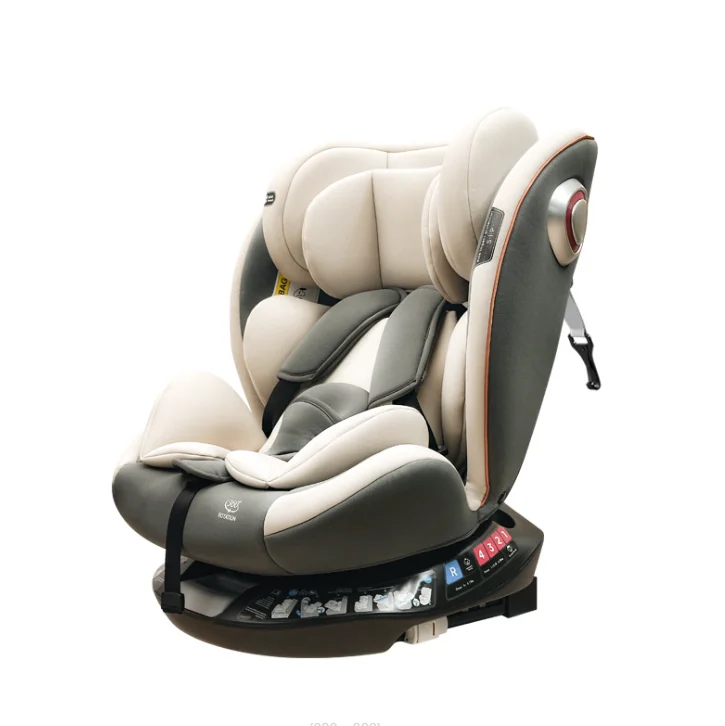
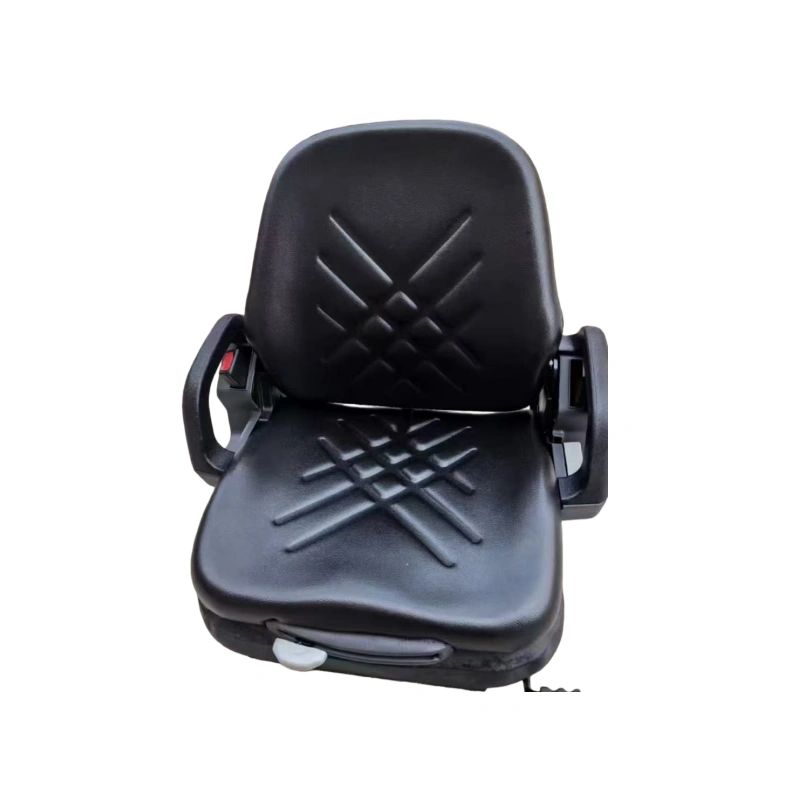
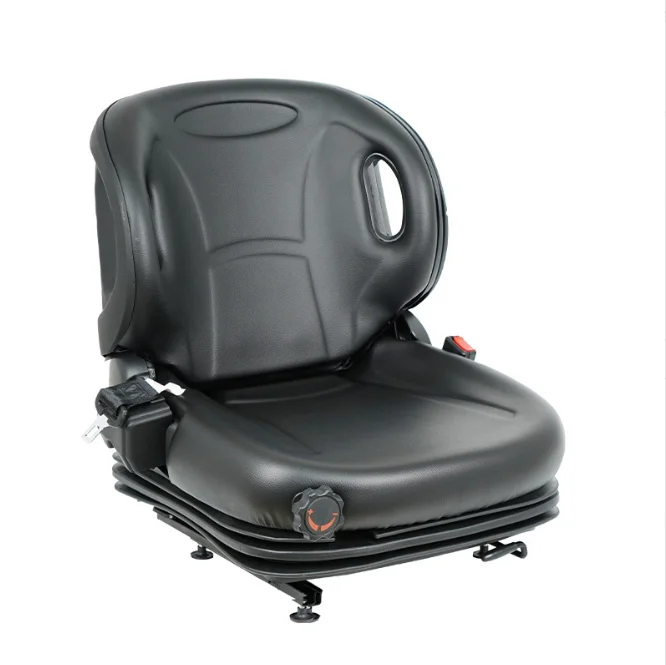
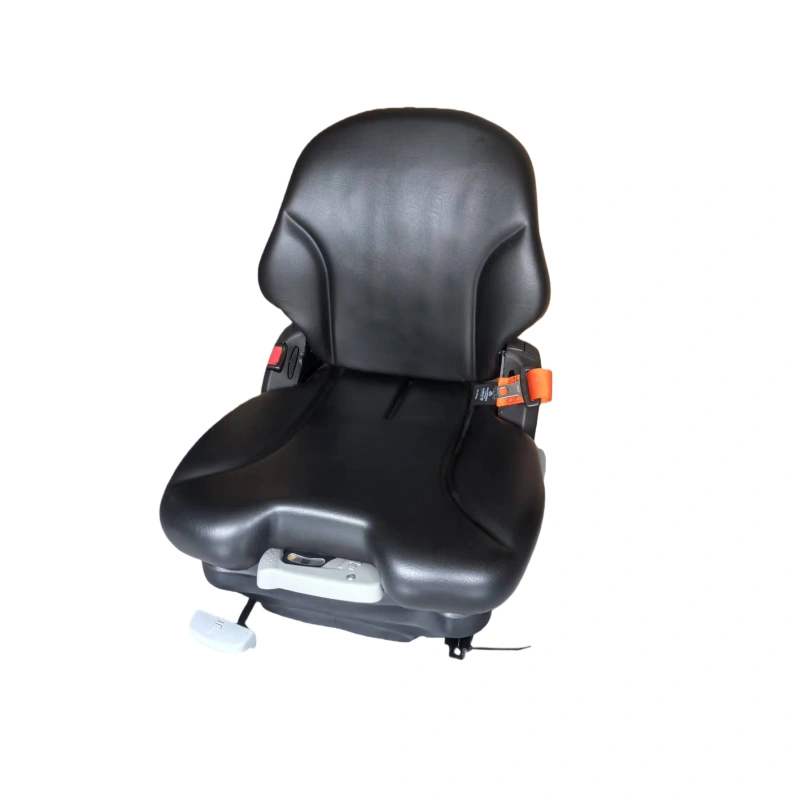
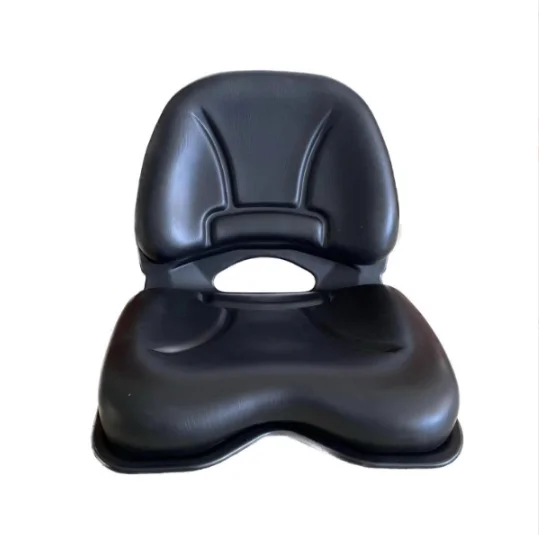
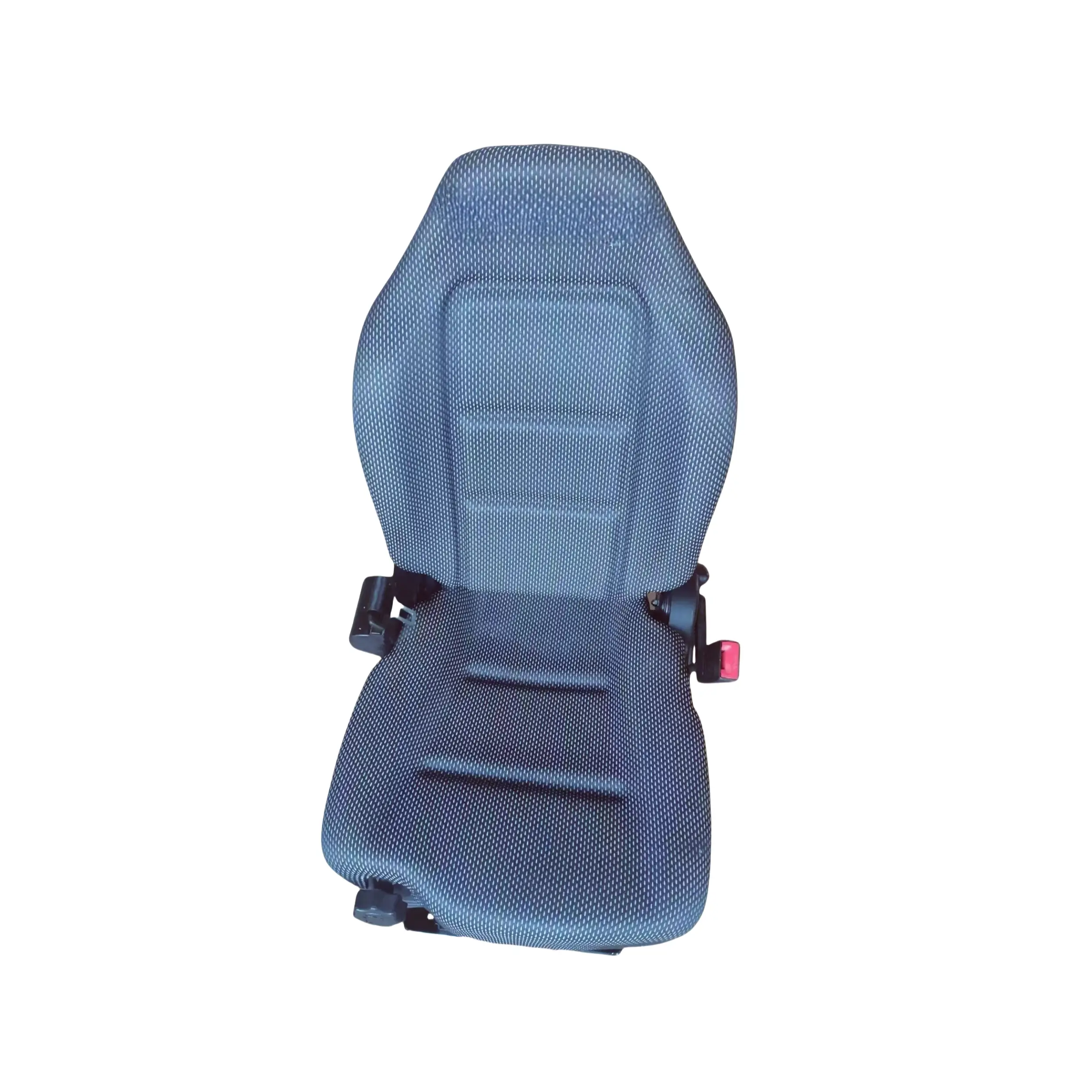
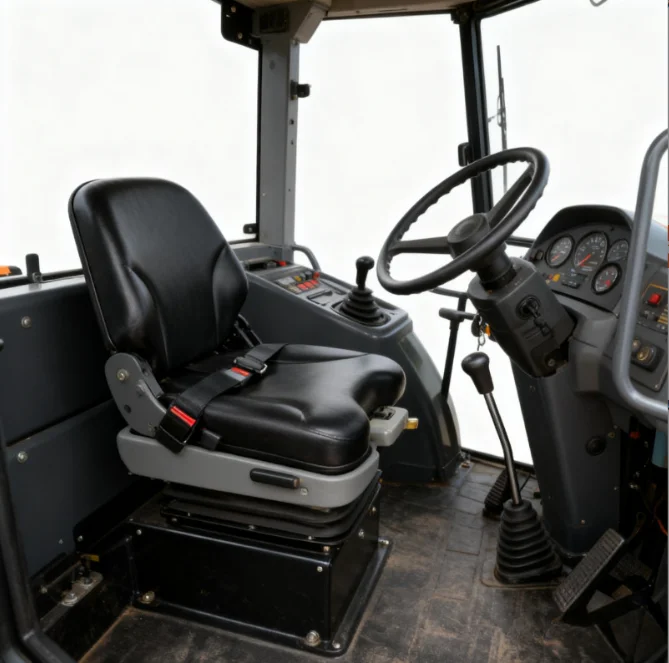
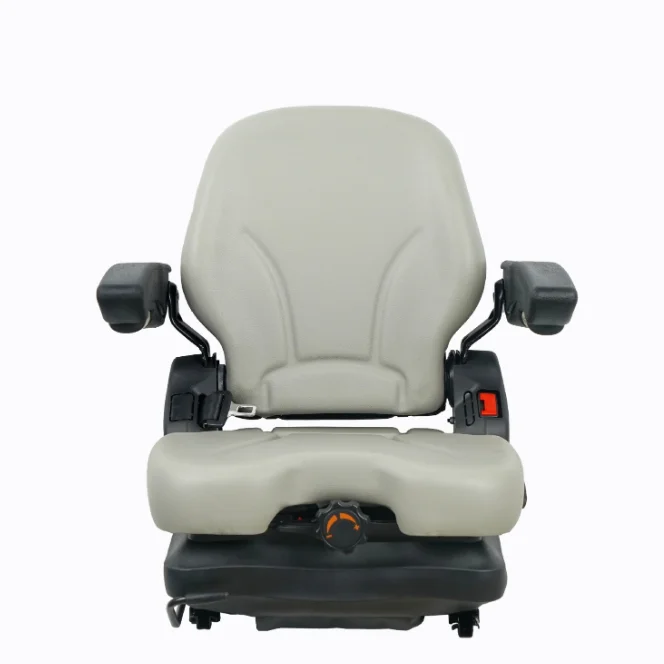
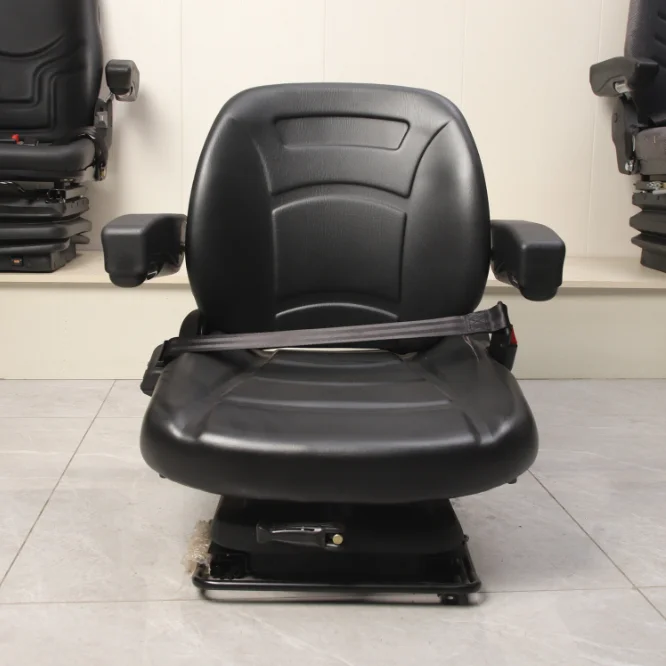
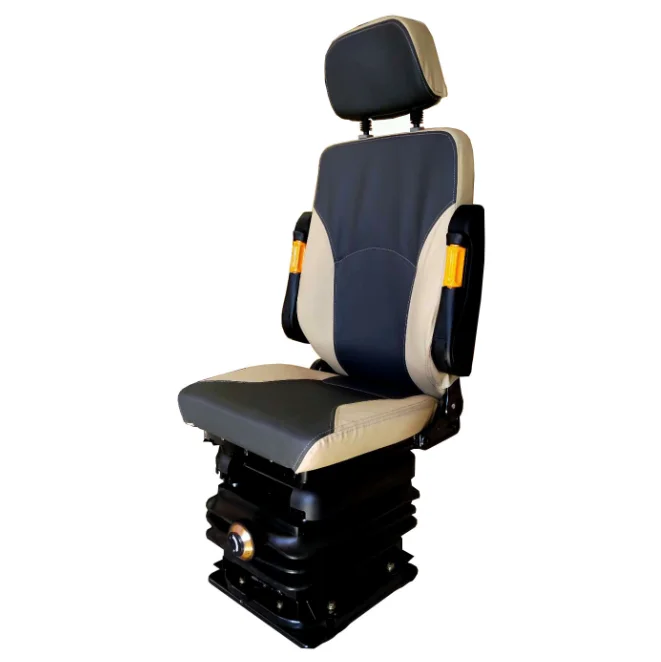
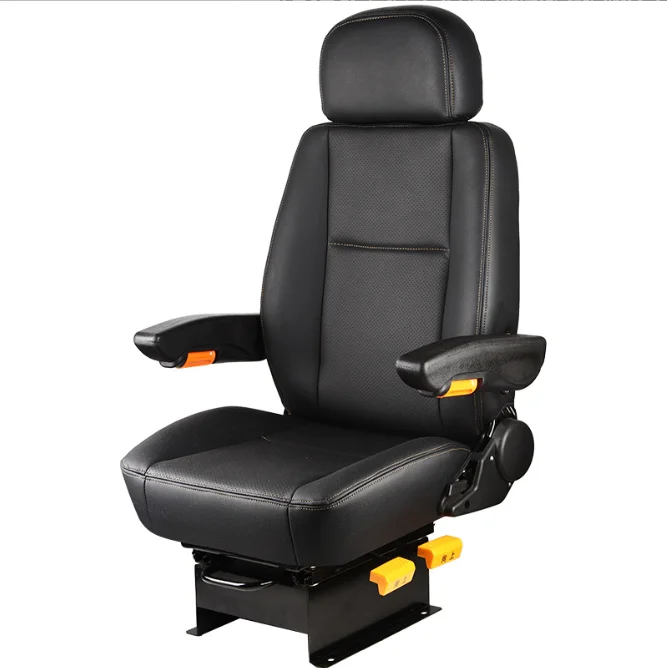
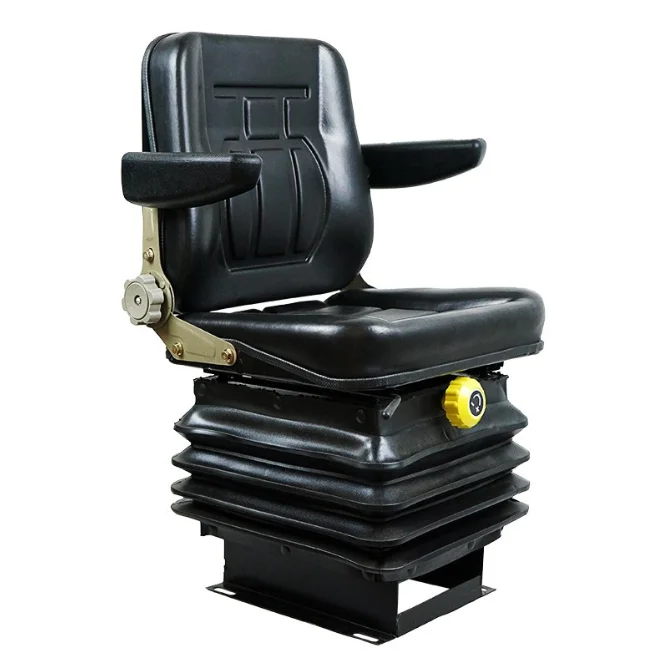
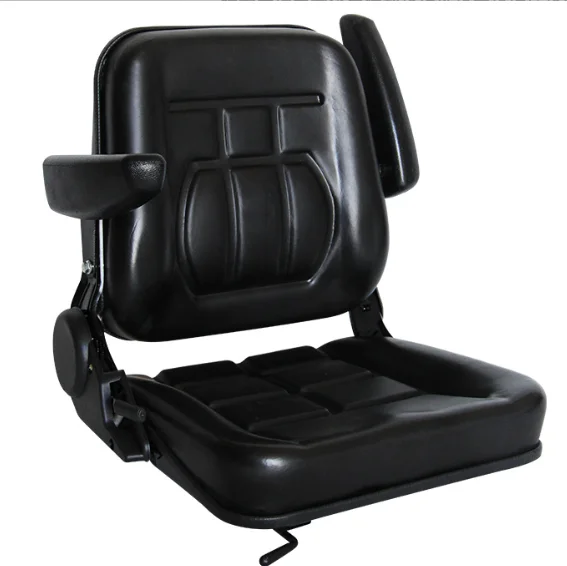
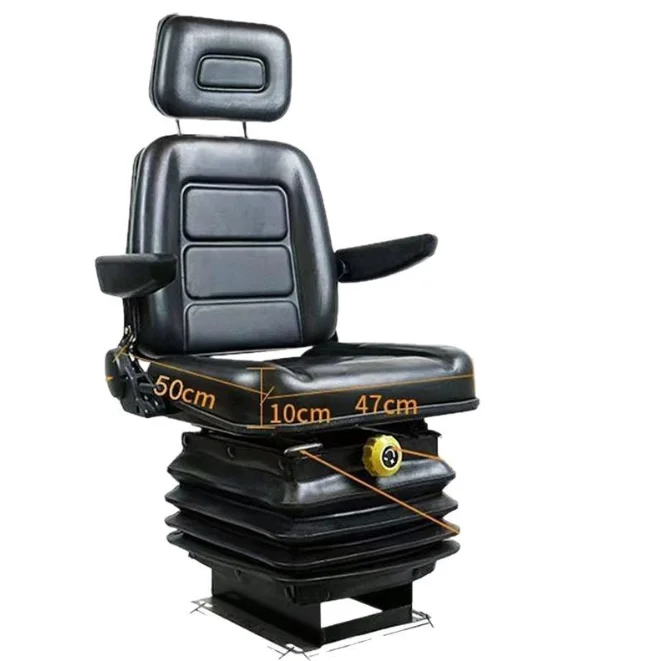
| Item | Parameter |
|---|---|
| Brand Name | YUNZEE (Support White Label Solution) |
| Material | PVC / Fabric / Leather |
| Surface Material | Metal, Foam and plastic |
| Safety belt | Two and Three Point Seat Belt |
| Style | Normal / Luxury |
| Application | Universal Fitment, Truck, Excavator, Forklift Trucks, Harvester, Lawn mower, Rice transplanter, Garden machine |
| Option | Safety belt / Customize Logo / Miro switch / Headrest / Armrest |
| Packing | Standard Seapacking |
| Service | Color, Customization, OEM and ODM |
| Warranty | 12 Month |
See Our Customer Success Stories
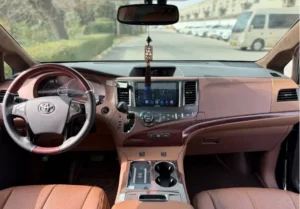
Toyota Sienna Luxury Modification with Aviation Seats: A Premium Business MPV Upgrade
This Toyota Sienna luxury modification project transforms a practical MPV...
Read More

Buick GL8 Luxury Modification: Creating a Premium Business Class Interior with Aviation Seats
This Buick GL8 luxury modification project transforms a premium commercial...
Read More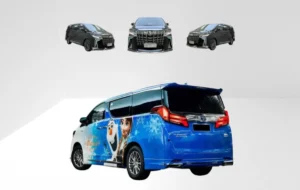
Toyota Alphard Luxury Modification: From Fairytale Dream to Executive Business Lounge
Toyota Alphard offers unlimited customization possibilities, allowing completely different luxury...
Read More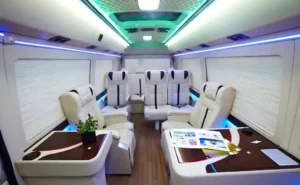
Toyota Coaster Luxury Bus Modification: VIP Aviation Seats and Premium Interior Upgrade
Toyota Coaster luxury modification transforms the original commercial minibus into...
Read MoreSpecial Needs Car Seat FAQs
What are the features of your modified construction vehicle seats?
Our Engineering vehicle modified mechanical shock-absorbing seats usually have the following characteristics:
Superior shock absorption performance: Advanced technologies such as hydraulic shock absorption or mechanical shock absorption are adopted, which can effectively absorb and disperse the impact from the road surface, so that the driver can remain stable and comfortable during driving.
Ergonomic design: The seat design conforms to ergonomic principles and can fit the curve of the human body, providing optimal support and comfort. At the same time, the adjustment functions of the seat are also very extensive, and can be adjusted according to the driver’s height, body shape and other personalized needs.
Strong durability: Considering that engineering vehicles usually need to work in harsh environments, the materials and craftsmanship of shock-absorbing seats have been specially treated to ensure sufficient durability and corrosion resistance.
High safety: The safety performance of the seat is also crucial, including anti-slip design, seat belt interface, etc., to ensure that the driver can remain stable and safe in emergencies.
Generally speaking, the small mechanical shock-absorbing seat of an engineering vehicle is an indispensable and important component in an engineering vehicle, which can provide a good working environment for the driver and improve driving safety, thus ensuring the smooth progress of the project.
How to Choose the Right Engineering Vehicle Seat?
In construction machinery operations, the cab seat is the core component that directly affects the operator’s work efficiency and health. As a key accessory of heavy equipment such as excavators, the driver’s cab safety seat needs to meet the requirements of ergonomics, safety protection and durability at the same time. Its design needs to adapt to long-time operation under complex working conditions, and provide stable support and a comfortable experience for operators through structural optimization and material selection.
Technical Principle and Core Design
The driver’s cab safety seat adopts a modular structural design, with the main frame made of high-strength alloy steel and the surface treated with anti-rust finish to adapt to outdoor environments. The bottom of the seat is equipped with an independent suspension shock absorption system, which absorbs the vibration energy generated during equipment operation through springs and a hydraulic damping device, reducing the impact force transmitted to the human body. The backrest supports stepless adjustment from 45° to 178°, and with a detachable headrest and lumbar support, it can adapt to the sitting needs of operators of different body types. The seat surface is covered with non-slip and wear-resistant gray fabric or leather material, and the interior is filled with high-density memory foam, which effectively disperses body pressure while ensuring breathability.
Usage Scenarios and Adaptability
This seat is designed for construction machinery cabs such as excavators and loaders, and can be adapted to various brands and models of equipment. Its 999mm specification dimensions meet industrial-grade equipment space standards, and the mounting interface adopts a universal design to support quick disassembly and angle locking. In operating scenarios with strong vibration, such as mining and building construction, the shock absorption system can reduce the risk of spinal injury for operators caused by long-term bumping. The large-angle adjustment function of the backrest allows the operator to lean back and rest while the equipment is on standby, relieving muscle fatigue. For special working conditions, the seat supports customized processing, such as adding an electric heating function or adjusting the damping coefficient to suit different terrains.
Performance Advantages and Actual Performance
Compared with traditional fixed seats, adjustable shock-absorbing seats have significantly improved stability and comfort. The hydraulic damping device can automatically adjust the damping force according to the vibration frequency of the equipment, keeping the seat stable on bumpy roads. Laboratory tests show that the fatigue life of this seat under continuous vibration conditions exceeds 500,000 cycles, far exceeding industry standard requirements. In actual use, operators report that waist pressure during long-time operation is significantly reduced, and the feeling of bumpiness during equipment operation is reduced by about 60%. The gray exterior design is not only stain-resistant, but also reduces reflective interference in the cab, further improving operational safety.
Safety Specifications and Maintenance Points
During installation, ensure that the torque of the seat fixing bolts reaches the manufacturer’s specified value, and regularly check the hydraulic oil level of the shock absorption system. When the operator weighs more than 100kg, it is recommended to choose a reinforced spring configuration to avoid attenuation of the shock absorption effect. For daily cleaning, use a neutral cleaner to wipe the seat surface, and avoid using corrosive chemical reagents. If the backrest adjustment becomes stuck or the shock absorption rebound is sluggish, contact professionals for maintenance in time to prevent safety hazards.
What Are the Key Points in Truck Car Safety Seat Design?
The driver’s cab safety seat is the core accessory of the engineering machinery cab, and its design needs to take into account ergonomics, safety protection and long-term use stability. As a component that directly bears the driver’s operating pressure, the seat’s shock absorption performance, backrest adjustment range and material durability directly affect work efficiency and occupational health. Especially in heavy equipment such as excavators, long-time bumpy operation places higher demands on the impact resistance of the seat.
From the perspective of technical parameters, the core functions of the driver’s cab safety seat revolve around “shock absorption” and “adjustment.” Taking the adjustable shock-absorbing seat as an example, its backrest adjustment angle covers 45° to 178°, which can meet the driver’s multi-scenario needs from operation to rest; the shock absorption system works through the coordination of springs and damping structures, effectively filtering low-frequency vibrations caused by road bumps and reducing spinal pressure on the driver. In terms of materials, industrial-grade seats use high-strength alloy frames and wear-resistant fabrics, ensuring no deformation or cracking in environments ranging from -30℃ to 50℃, and adapting to operating conditions in different climate zones across the country.
Safety design is reflected in the details of the specifications. For example, the seat needs to pass international safety standard certifications such as ISO 6683, ensuring that the seat fixing device can withstand an impact force of more than 2000kg without detaching during an emergency stop or rollover of the equipment. In addition, the anti-slip base plate and adjustable lumbar support design of the seat can reduce operation errors caused by the driver’s body sliding, and are especially suitable for scenarios requiring precise control, such as excavators. For imported models, the shock absorption modules usually adopt hydraulic or pneumatic technology, which can more accurately match the needs of drivers of different weights compared with traditional mechanical shock absorption.
In terms of applicable scenarios, the driver’s cab safety seat needs to be deeply matched with the equipment type. Taking an excavator as an example, its cab space is limited, and the seat needs to have a compact structure and multi-directional adjustment functions to avoid affecting the range of motion of the control levers; for equipment such as loaders with higher work intensity, the durability of the shock absorption module needs to be strengthened. Industry data shows that ergonomically designed seats can reduce driver fatigue by 40% and indirectly improve work efficiency by more than 15%. For equipment that needs to be exported, the seat also needs to comply with EU CE certification or US OSHA standards, involving additional indicators such as flame retardancy and heavy metal content.
How to Choose the Right Electric Forklift Seat?
Core Purchasing Criteria for Electric Forklift Seats
Safety First: The seat needs to pass ISO 3471 (Roll-Over Protective Structure) or ANSI B56.1 (Industrial Vehicle Safety Standard) certification to ensure impact resistance and stability. For example, the backrest of a qualified seat must withstand an instantaneous impact force of at least 1500N (data source: OSHA standard). In terms of material strength, a combination of high-density polyurethane foam and steel frame is recommended, with a thickness of at least 8cm, and the wear-resistant layer must pass 50,000 friction tests (refer to DIN 53516 standard).
Comfort Design: The seat should have a 6-way adjustment function (front and rear ±10cm, height ±5cm, backrest angle 100°-135°). For long-time operation, it is recommended to equip optional lumbar support and a shock absorption system (such as air suspension shock absorption). In terms of breathability, mesh fabric or perforated leather material is more breathable than fully enclosed PU, and can reduce the seat surface temperature by 3-5℃ in summer (measured data).
Adaptability and Scenario-Based Selection
Matching Forklift Models: For small electric forklifts (load capacity 1-2 tons), choose lightweight seats with a width of 40-45cm; for large forklifts (load capacity 3-5 tons), a wide seat of more than 50cm and a reinforced fixing bracket are required. For example, the base bolt hole spacing of the Toyota 8FBE15 forklift special seat (Model S-EL3) is 30×30cm, and the installation dimensions need to be checked when purchasing.
Special Environmental Requirements: For high-temperature workshops, choose high-temperature resistant silicone material (withstand -40℃ to 120℃); for humid environments, waterproof coating and stainless steel fittings are required, and the rust-proof rating should reach IP54 or above.
Maintenance and Cost Considerations
Service Life: The average service life of a high-quality seat is 5-8 years (based on an average daily operating condition of 8 hours), while inferior products may collapse within 2 years.
Replacement Cost: It is recommended to choose seats with a modular design. Replacing the seat cushion separately (about 50-100 usd) is more economical than replacing the entire unit (300-600 usd).
Summary: A comprehensive evaluation should be made based on work intensity, environment, and budget. Priority should be given to products with strong adjustability and complete certifications, and the fixing bolts and shock-absorbing components should be checked regularly to ensure long-term safe use.
How to Choose Mine Car Seats?
Mining car seats are indispensable equipment in mining operations. Especially in the operation of heavy machinery such as mine cars and excavators, the seat is directly related to the comfort, safety and work efficiency of the operator. Choosing the right mining seat and matching its performance is crucial to ensuring safe production in the mining industry.
First of all, several core elements need to be paid attention to in the selection process. Safety comes first, and the seat must have a strong structure and shock-proof design to cope with the severe vibration and impact in the mining environment. Secondly, comfort cannot be ignored, as long-time operation requires the seat to provide good support and adjustment functions to reduce operational fatigue. Durability is equally critical, and the seat material should be wear-resistant and corrosion-resistant, able to adapt to harsh conditions such as moisture and dust. In addition, adaptability refers to whether the seat can accommodate operators of different body types and a variety of mechanical equipment.
Performance matching emphasizes how well the seat fits the specific operating environment. For example, in mining areas with frequent vibration, the seat needs to be equipped with an efficient shock absorption system. In mine cars with limited space, the size and layout of the seat need to be optimized. For high or low temperature environments, the seat material should have corresponding thermal insulation or heat preservation properties. Also, the adjustment mechanisms of the seat, such as height and angle adjustment, should meet the individual needs of the operator, thereby improving operational comfort and work efficiency.
How to choose the right truck cab seat?
The truck cab seat is something drivers use for hours on end. So when designing it, you’ve got to think about ergonomics, safety, and durability. Different from traditional passenger car seats, a truck seat needs to adapt to high-intensity transportation scenarios. For example, it should have features such as adjustable lumbar support, breathable fabrics and other designs to relieve long-distance driving fatigue. It also needs to meet national safety standards to provide effective support in case of collision. In addition, the seat’s painting process and its relationship to original equipment also directly affects how well it matches the cab interior and its service life.
Let’s take the customized design of the cab seat as an example. Its core role is to meet the needs of drivers of different body types. By adjusting the seat height, inclination angle and lumbar support position, the body pressure can be dispersed and the risk of lumbar spine disease can be reduced. Some high-end models may use memory foam or ventilated materials to further enhance summer driving comfort. In terms of safety, the seat frame has to pass national crash tests. That way, it stays stable when you brake hard or hit a rough patch of road. Furthermore, the OE-fit seat perfectly matches the cab in size and mounting hole position, so as to avoid unusual noise or loosening problems caused by modification.
Industry trends show that truck seats are developing from single function to intelligence. For example, some of the new seats have integrated heating, massage functions, and even sensors to monitor driver fatigue and give early warnings. When it comes to materials, high-strength alloy frames paired with wear-resistant leather are now pretty standard. They last longer and make the interior feel more premium too. For the maintenance market, seat products that support national joint warranty are preferred because they can reduce the cost and time risk of cross-regional maintenance.
How to choose a tractor car seat?
Comfort: The core indicator for tractor car seats
The comfort of a tractor seat directly affects operational efficiency, just as important as wearing shoes to fit. The ideal seat needs three things:
Ergonomic design: The lumbar support area should have a 15°-20° forward curve to distribute pressure on the spine.
Shock Absorption System: Premium seats with dual-layer spring structure can filter out more than 80% of road vibrations.
Breathable material: 3D mesh fabric or honeycomb-patterned foam, 4 hours of continuous operation in summer without stuffy heat.
The measured data show that an ergonomic seat can reduce operating fatigue by 40% and improve operating efficiency by 25%. A comparison of an agricultural cooperative found that after replacing the original seat with a professional seat, the average daily working time of drivers was extended from 6 hours to 8.5 hours.
Support: The secret to staying comfortable during long hours of sitting
If you’re driving for hours on end, the seat’s support matters even more than comfort. High-quality seats should have:
Adjustable lumbar support: Supports 5-level height adjustment to adapt to drivers of different body types.
Four-way headrest: Adjustable up/down and frontward/backward to maintain the natural curve of the cervical spine
Side bolster support: Wider wings on both sides of the seat provide lateral support when cornering.
Durability determines service life
The farm environment puts seat quality to the test. We need to pay attention to the following details:
Frame material: Steel frames carry more weight than plastic, making them more suitable for heavier drivers.
Surface finish: Waterproof and oil-proof synthetic leather, more stain-resistant and wear-resistant than ordinary cloth
Connecting parts: Stainless steel hinges and bolts, which are not easy to rust and get stuck in rainy conditions.
Adapting to different operating scenarios
Make a wise choice based on your primary use:
Dryland farming: Select ventilated mesh fabric for better heat dissipation in summer.
Orchard work: Narrower seats make it easier to get on and off.
Transport tasks: Widened seats with armrests make long hauls more comfortable.
Female drivers: Seats with shallower seat depth are better suited for smaller-framed individuals.
According to the data from an agricultural machinery test center, a seat with side bolster support can reduce the driver’s lateral movement by 65% during sharp turns. It is recommended to choose a seat with memory function, which can automatically adapt to the sitting habits of different drivers.
How to choose a semi-trailer truck seat? There's a trick for comfortable driving
The “comfort code” of semi-truck seats: The magic of air suspension seats
Semi-truck drivers spend most of their days in the driver’s seat, and seat comfort directly determines the driving experience. An air suspension seat is just like installing an “air spring” in the seat. Through a built-in bladder system, the support can be automatically adjusted according to the driver’s weight and posture. This dynamic adjustment ability distributes the lumbar pressure more evenly during long-distance driving, as if it gives an “air massage” to the spine.
Another great advantage of air suspension seats is the shock absorption effect. When the semi-truck travels over bumpy roads, the air bladder absorbs shock like a sponge, reducing hard contact between the body and the seat. This feeling of “soft landing” can significantly reduce driving fatigue.
The “gold standard” of ideal seats: three core elements
When choosing a seat, don’t just look at the word “air suspension”, but you have to pay attention to three key details:
Adjustable lumbar support: The need for lumbar support varies greatly between different body types. An ideal seat should have multi-level adjustment, so that drivers can find the best support angle for themselves.
Breathable fabrics is a must: Long-distance driving often leads to sweating. Fabrics with poor breathability often make the back feel stuffy and uncomfortable. Choosing a seat with 3D mesh or perforated designs can greatly improve air circulation.
Moderate cushion firmness: If a cushion is too soft, it will make the body sink and increase lumbar pressure. If a cushion is too hard, it feels like sitting on a wooden board. Ideally, the cushion should provide a moderate wrapping feel while maintaining adequate support.
The “hidden benefits” of upgraded seats: More than comfort
The surprise of changing good seats goes beyond the comfort boost. According to some drivers’ feedback, after replacing with the air cushion seat, the waist physiotherapy that originally needed to be done once a week is now enough once a month. This is due to the continuous protection of the lumbar spine by the seat, which reduces the occurrence of muscle strain.
From the perspective of safety, a comfort seat reduces body shaking while driving. As a result, the driver will focus more on the road. Some premium seats also come with heating, and when starting the vehicle in winter, a warm seat allows the body to get into driving mode quickly.
How to choose an excavator seat?
Most common specifications for excavator seats
- Seat width:
The width of excavator seats is generally between 450mm and 540mm. For large excavators, the total width is generally about 500mm; for small and medium-sized excavators, it is generally below 450mm.
- Seat Depth:
The depth of excavator seats is generally between 400mm and 480mm. The seat depth should be slightly larger for relatively taller operators and slightly smaller for shorter operators.
- Seat height:
The height of excavator seats is generally between 800mm and 950mm. During operation, the operator’s knee should be at an angle of about 90 degrees with the butt. If there is a problem with the seat height, the operator is likely to experience knee discomfort during operation.
Factors affecting the choice of excavator seat size
- Operator height:
Operator height is one of the important factors in choosing excavator seat size. Choosing a small seat of appropriate size based on the operator’s height can increase the comfort and reliability of the operator.
- Operation duration:
How long an operator spends in the excavator is one of key consideration for choosing the right seat size. If the operator works on the excavator for a long time, a comfortable and high-safety-factor seat is necessary.
- Natural environment of operation:
The natural environment of operation also affects the selection of excavator seat size. Especially in complicated or confined working environments, the seat size must adapt to the working requirements as much as possible to ensure the operator’s comfort and safety during operation.
How to choose the right excavator seat?
- Select a seat based on your height:
Operator height is the most important factor when choosing an excavator seat. For operators with a height of between 170cm and 180cm, a seat with a width of about 500mm, a depth of about 420mm, and a height of about 860mm will ensure comfort and safety.
- Select a seat based on the natural environment of operation:
In confined working spaces, it is necessary to choose a relatively smaller excavator seat, which allows the operator to operate more flexibly in narrow spaces.
- Select the seat based on operation duration:
When operating for a long time, the excavator seat must be comfortable and durable to prevent fatigue and discomfort during operation.
The choice of excavator seat size will directly affect the comfort and safety of the operator, so many factors such as the operator’s height, working environment, and operation duration must be considered. Only by effectively selecting the right seat size can operators safely and efficiently complete their daily tasks.
How to Pick a Child Car Seat?
It is important to choose a child safety seat that is suitable for your child’s age and weight, reliable in quality, comfortable and convenient, firmly installed, multi-angle adjustable, easy to wash and maintain, from a well-known brand, and compliant with the legal regulations.
Suitable for the child’s age and weight
It is important to choose a safety seat that is appropriate for your child’s age and weight. Children at different stages need different types of safety seats. For example, newborns to 1-year-old babies need rear-facing baby safety seats; children from 1 to 4 years old can use forward-facing child safety seats; children over 4 years old can use booster seats.
Good quality and safety performance
Make sure to choose a reliable quality, certified child safety seat. Check the product’s certification mark and pick the safety seat, safety certification is a top priority. For example, China has 3C certification; Europe’s ECE R129 (i-Size) certification is stricter, and there are higher requirements for side-impact protection, head and neck protection, etc.; the US FMVSS 213 certification also has certain reference value. Choosing a product with multiple certifications is like buying multiple insurances for your kid. Additionally, pay attention to the material of the seat, the quality of the harness system, and the mounting hardware to ensure good protection in the event of a collision or emergency.
Comfort and convenience
Children may spend some time in their safety seats, so comfort is very important. When choosing a seat, consider your child’s comfort, including seat width, softness, and adjustment functions of the headrest and harness. Also, convenience cannot be overlooked, for example, easy installation and removal, portability, etc.
Mounting and fixing methods
Understand how the safety seat is installed and secured and make sure it is installed correctly according to the instructions. Common mounting methods include securing with a car seatbelt or a latch system. Ensure the installation is secure to prevent the seat from shaking or loosening while driving.
Multi-angle adjustment
Choose a safety seat with multi-angle adjustment so that the child can sit comfortably while also having a good view. Some seats also allow the user to adjust the headrest height and recline angle to accommodate your child’s growth and development.
Cleaning and maintenance
Pay attention to the cleaning and maintenance requirements of the safety seat. Choose materials that are easy to clean to maintain the hygiene of your seat. Clean and maintain as directed in the instruction manual to ensure the seat’s performance and safety.
Brand and Word of Mouth
Choose well-known brands and products with a good reputation. You can refer to the experience and evaluation of other parents to understand the advantages and disadvantages of different brands and models.
Legal requirements
Learn about local laws and regulations regarding age, type and installation requirements for child safety seats. Ensure the seat you choose meets the legal requirements and is used correctly.
In conclusion, choosing the right child safety seat is an important measure to protect your child while traveling in a car. Before purchasing, carefully research and compare different products to choose a safety seat that is reliable in quality and suitable for your child’s age and weight, and ensures proper installation and use. Also, pay attention to your child’s comfort and convenience to make their ride safer and more comfortable.
We are Ready to Support.