
Maintaining car seats requires a dual approach: immediate, targeted action for specific spills (using cold salt water for blood or ice for gum) and rigorous daily maintenance. Avoid harsh household chemicals and excessive heat/UV exposure, while utilizing regular dusting and pH-balanced leather conditioning to prevent cracking, fading, and permanent upholstery damage.
Table of Contents
There is no doubt that car owners must work tirelessly in maintaining and cleaning car seats. The seats are filled with constant spills and smells, although using the right measures can easily help to eliminate it all – a clean and comfortable cabin area. Here is a great dissection of your daily stain cleaning strategies and habits for your car seats.
1. How to Clean Car Seat’s Spills of Coffee, Soda, and Beverage
These fluids are the deadliest culprits, but can be fixed by:
Immediately drain the spill with a paper towel to absorb as much liquid as possible so it doesn’t go deep into the center of the seat.
Gently wipe the affected area with a damp microfiber cloth.
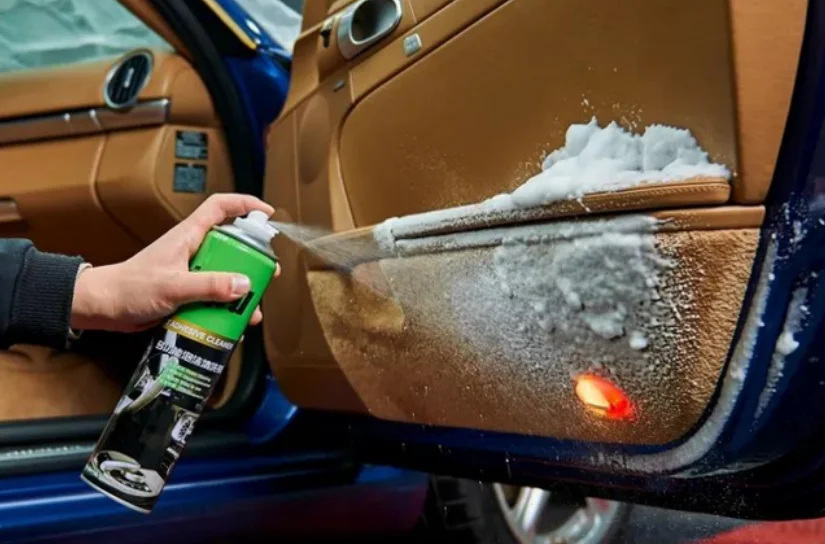
If the stain persists, use the car foam cleaner carefully and use it in small amounts so it doesn’t wash leather car seat surface so the paint doesn’t stick!
2. How to Clean Auto Seat’s Chewing Gum
If the gum turns purey on your knee, use an effective extraction method:
In the plastic bag, you put some ice cubes into a set, place them firmly inside, and press them against the gum so it freezes and hardens.
When the gum is rock-hard, gently pull it out and gently peel the gum apart so as not to tear or scratch the seat surface.
3. How to Clean Car Seat’s Sweat and Odors
The sweat builds up and the smell follows. Try this neutralization method:
Mix the white vinegar solution with clean water, soak a cloth and wipe the seat carefully. White vinegar is a very effective neutralizer for natural odors.
If the seats are very dirty, a detailed deep cleaning with car foam cleaner can wash away dirt and embedded odors.
4. How to Clean Car Seat’s Blood Stains
When you deal with blood, never mix it with soap or hot water as the warmth will instantly clot the protein and make the stain last. Instead, folow the following procedure:
Make a cup of cold water and mix it with two tablespoons of salt, then dissolve it into a brine solution.
Then, soak a cloth in a cold saline solution and gently drain the blood.
Finally, wipe away more moisture with a paper towel or dry cloth and allow the seat to air dry.
5. Daily Car Seat Maintenance Guidelines
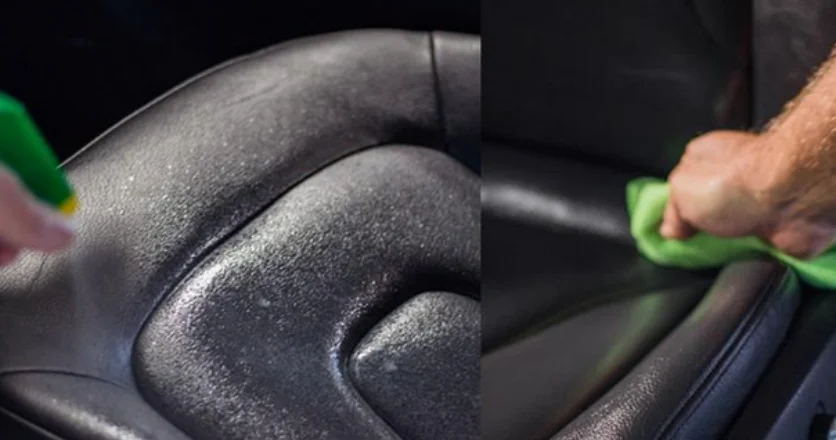
Use a vacuum cleaner or soft brush to remove dust, grit, and abrasive debris from the seat surface daily.
Keep the leather surface protected from direct sunlight to prevent intense UV fading.
Use a good leather conditioner regularly to keep the leather soft, smooth and shiny.
The most important aspect of the job is to avoid household cleaners that contain alcohol or harsh solvents, as these can strip the car leather in a non-negotiable process, permanently eroding the leather.
Following these cleaning and maintenance protocols will greatly extend the life of the seat. You’ll keep your cabin clean and maintain the quality of comfort that feels top of the line. It doesn’t matter what stains you have, but using the right targeted approach is key to ensuring your car seat stays nice and feels good. Absolutely true! In addition to implementing certain tactical cleaning techniques for these spills, implementing routine rigorous maintenance is key to ensuring that the leather car seats are shiny and comfortable in the owner’s hands.

Here are some advanced professional tips for car owners on how to protect and significantly extend car seat life:
1. Regular dust removal
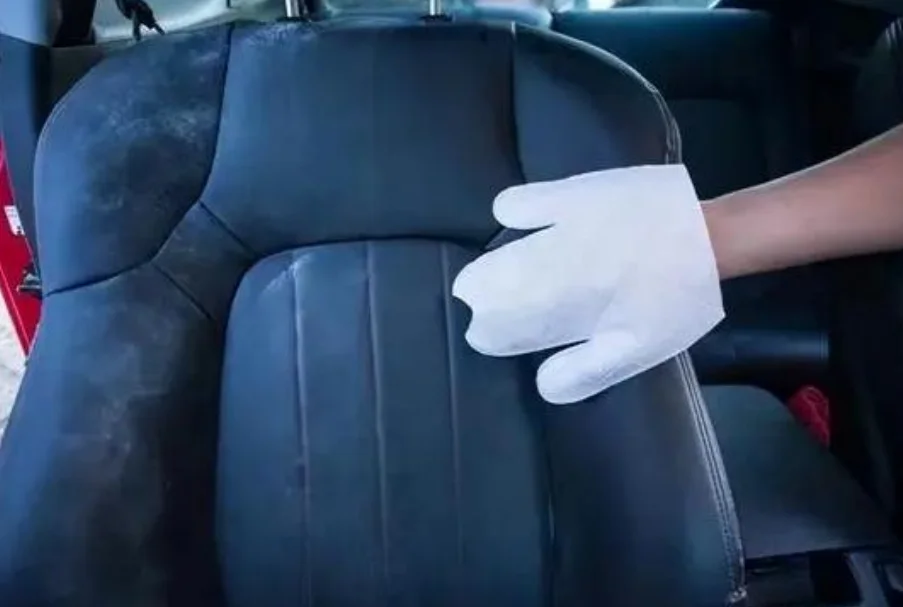
Abrasive dust and micro-debris will certainly accumulate over time, so regular dust removal is necessary. Surface dust can be easily removed with a soft bristle detailing brush or a high suction vacuum to keep the seat tidy.
2. Be aware of the amount and type of cleaner you use
When cleaners are needed, always use them wisely and use all formulas that are certified safe for automotive leather. Avoid cleaners with acids, bases, or solvents that are irritating to the leather surface and will strip and permanently damage the leather’s protective topcoat as much as possible. Make sure to choose all products and only those that are premium, pH-controlled, designed for automotive leather.
3. Avoid ultraviolet bombardment and extreme heat
During daily use, try to avoid parking vehicles under direct sunlight for a long time to avoid leather aging and deterioration. Other than that, the heat can cause the leather to harden and crack, so don’t park in the sun – usually in a cool place.
4. Be careful of sharp objects
Never place sharp or abrasive objects directly on the seat, as they can easily chisel or scratch the top coat of the leather. Leather goods with sharp metal edges or hard plastic are more likely to cause damage.
5. Backrest Protection
A backrest protector or car seat cover can protect the seat from daily wear and tear. These precautions can prevent your shoes or clothing from rubbing directly against the seat.
6. Regular dermal conditioning
Much like human skin, leather car seats must be kept soft and shiny. Because leather surfaces stand up to heavy use, they wear out over time. Regularly conditioning the seat with leather care products can help extend its useful life.
7. Intercept liquid penetration
When the liquid is accidentally spilled on the seat, quickly absorb it with paper towels to prevent the liquid from penetrating the seat. Discovering a leak immediately simplifies subsequent cleanup efforts.
Follow this and your leather car seats will remain tidy, comfortable and durable, enhancing your daily driving and cockpit experience. Whether performing routine maintenance or addressing specific stains, these methods can help keep your car seat in good shape for longer.
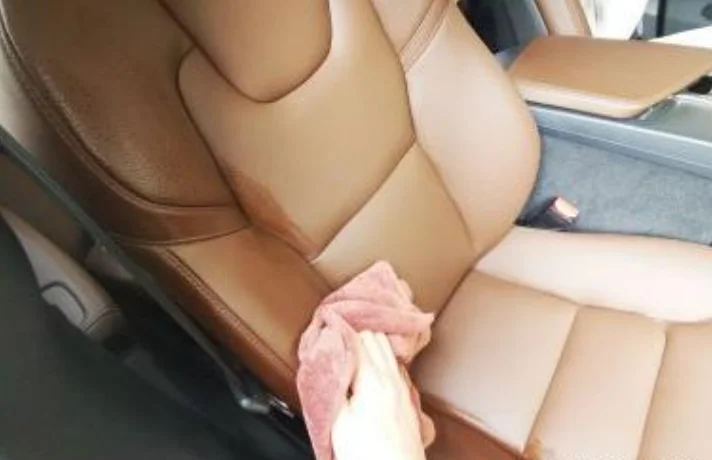
In addition to the maintenance methods mentioned above, there are several points to keep in mind when using leather seats on a daily basis. Firstly, proper dust removal is essential. A soft brush or vacuum should be used to remove dust from the seat. Second, pay attention to the amount and type of cleaner used, and choose a gentle cleaner that will not damage the leather. Finally, avoid prolonged exposure to the sun, as this can lead to aging and fading of the leather.
The seat is another face of your beloved car and an important impression for passengers. They require quick removal of stains and odors, as well as regular dusting and cleaning. Proper cleaning methods and precautions can extend the life of your seat. Neglecting maintenance will only create more problems.
Key Takeaways
Proactive Defense: Regular vacuuming prevents abrasive micro-debris from scratching surfaces. Deploying car seat covers and executing routine inspections for immediate minor repairs will drastically extend cabin life.
Targeted Stain Triggers: Never use hot water on blood (it clots the protein and sets the stain); use ice to harden chewing gum before peeling, and use diluted white vinegar to neutralize natural odors and sweat.
The No-Chemical Rule: Strictly avoid household cleaners containing alcohol, bleach, or harsh solvents. Only use premium, automotive-certified, pH-controlled products to prevent stripping the leather’s topcoat.
Climate & Functional Control: Direct sunlight and excessive heat crack and age leather. Park in the shade, use windshield covers, and operate car seat heaters strategically at moderate temperatures to avoid overheating the material.