
Including the retractor assembly and expert labor at a ratio of roughly 3:2, the average safety belt cost ranges from $20 to $90. Technical elements like pre-tensioners raise the cost of car seat belts even when the fundamental parts are reasonably priced. Direct buying from manufacturers such as Yunzee can significantly lower unit costs and provide a high-volume advantage for B2B buyers.
Table of Contents
How Much Does a Safety Belt Generally Cost?
Understanding the safety belt price requires looking at the sum of its parts. For a standard vehicle, a total replacement is usually the safest and most cost-effective long-term strategy.
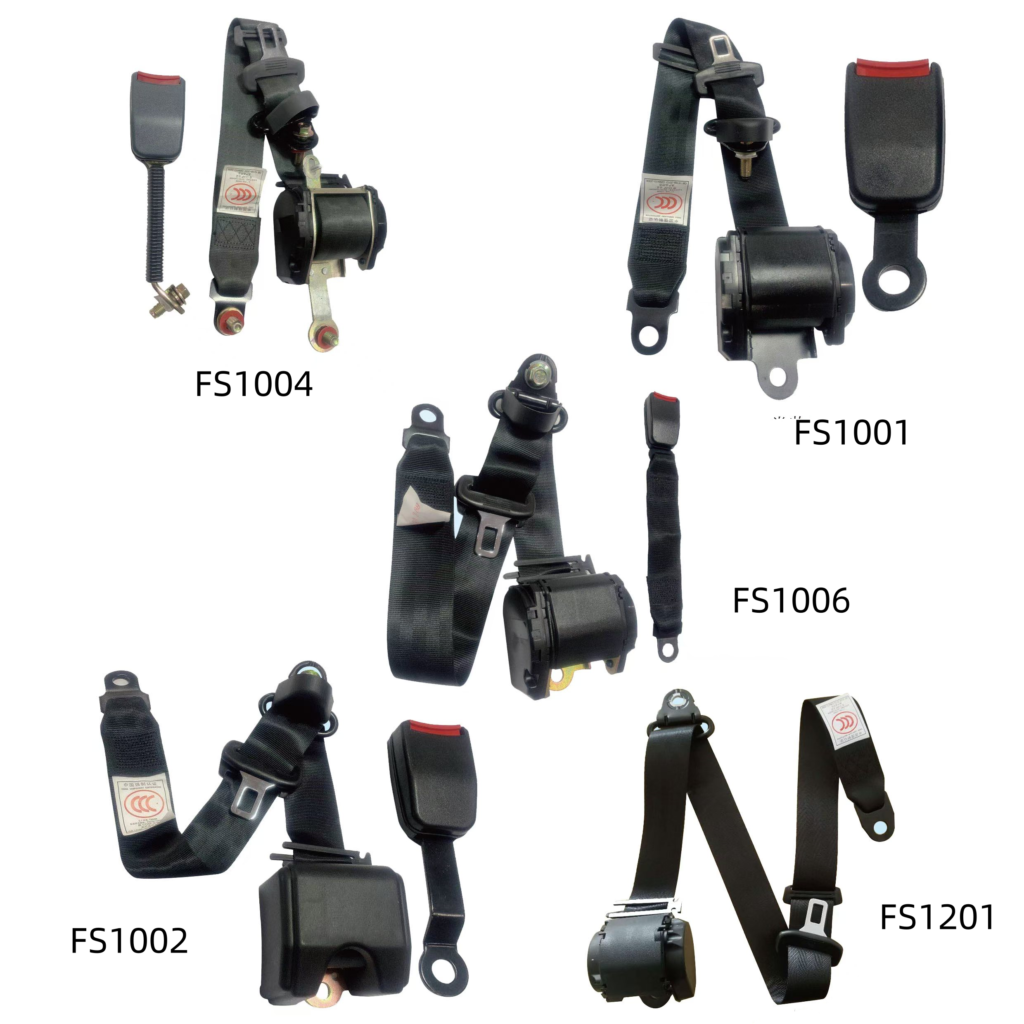
Seat Belt Price Breakdown
A car seat belt typically costs between $20 and $90. The cost of the belt might reach $300 or more for high-end vehicle seats. The component and the labor split the overall cost. The hardware typically makes up 60–70% of the entire cost, with the remaining 30–40% coming from expert installation.
B2B wholesale procurement gives businesses access to factory rates for professional buyers; distributors can obtain bulk units at a fraction of the retail price by avoiding retail markups, guaranteeing larger margins for fleet managers and repair shops; and a car seat belt typically costs between $20 and $90. High-end vehicle seats may cost up to $300.
Component Costs Analysis
These days, a safety belt is more than just a piece of fabric. The cost of a safety belt includes the retractor mechanism, webbing, buckle, and often an explosive pre-tensioner.
The retractor and pre-tensioner are the most expensive parts due to internal sensors and pyrotechnic charges. The buckles and webbing are necessary for comfort and durability, even though they are less costly.
5 Key Factors That Affect Safety Belt Prices
Not every seat belt is made equally. The next five main factors determine why one unit costs $50 while another costs more than $300.
| Factor | Impact on Cost | Why? |
| Vehicle Type | Economy vs. Luxury | Luxury cars require specialist coding and active safety tech. |
| Model Specificity | 2-point vs. 3/5-point | Advanced harnesses or custom mounting brackets increase price. |
| Material Quality | Nylon vs. Polyester | High-tenacity or Solution-Dyed Polyester costs 15%–50% more. |
| Technology | Basic vs. Pre-tensioner | Pyrotechnic charges and load-limiting sensors add complexity. |
| Seating Position | Front vs. Rear | Front belts are pricier due to integrated seat-position sensors. |
Vehicle Differences: Economy vs. Luxury
While luxury cars frequently have active safety systems with computers, standard economic cars have mass-produced, reasonably priced passive safety systems. For instance, replacing a belt in a Mercedes-Benz or BMW requires expensive materials and specialist coding, which raises the cost considerably.
Specific Seat Belt Models
The model of the seat belt is one of the primary determinants of cost. Distinct vehicle types require distinct production processes. Some vehicles employ a 2-point lap arrangement, while others require an advanced 3-point or even a racing-grade 5-point harness. The degree of specialty of the model and its mounting brackets raises production and procurement costs.
Material Quality and Webbing Durability
The choice of raw materials is also the main factor influencing the price of safety belts. Affordable standard polymer/nylon belts are highly valued for their versatility. High-tenacity polyester sometimes costs 15–20% extra due to its remarkable resilience to stretching and UV degradation. As for hybrid or Specialized Solution-Dyed Polyester, as weave webbing doesn’t fade or shred over time, it is 30–50% more expensive for high-end luxury applications.
Technology Cost for Pre-tensioners and Sensors
Pre-tensioners are a feature of contemporary mid-to-high-end safety belts. During a crash, a tiny pyrotechnic charge ignites in an instant, tightening the belt to remove any slack. The main factor contributing to modern cars’ high safety ratings is this technology, together with load-limiting sensors, which increase manufacturing costs and technical complexity.
Position: Front vs. Rear Seat
The cost of servicing front seats is nearly always higher. Advanced retractors and seat-position sensors are features of driver belts. Because they are less complicated, rear belts—especially the center lap belt or basic systems in previous models—have lower safety belt costs.
Why High Quality Safety Belt Matters More Than Price?
It’s critical to discern between price and value when assessing safety belt costs.
Long-Term Investment vs. Legal Risk
A high-risk gamble can be avoided by selecting a certified and high-quality seat belt. A malfunctioning belt might result in enormous medical costs and legal liabilities in the case of an accident. Using certified high-quality belts is a crucial risk-management tactic for car owners that safeguards both passengers and the bottom line.
Enhancing Aesthetics and Resale Value
The safety belt is an eye-catching feature for luxury automobile aficionados and the car customizing market. Customizable webbing colors and high-quality components can greatly improve the interior’s aesthetic. A high-end, color-matched 3-point seat belt is a key selling factor that raises the vehicle’s total market value, particularly for modified luxury automobile seats.
When to Repair and Replace Your Seat Belt?
Knowing when to repair or replace the safety belt is also important for both your safety and budget.
| Category | Key Information |
| Repair vs. Replace | Repair webbing for minor frays; replace fully for mechanical failure. |
| Post-Collision | Mandatory replacement required as pre-tensioners are one-time use. |
| Installation | Professional replacement is recommended over DIY for sensor accuracy. |
| Yunzee B2B Lead Time | Typically 2 – 4 weeks depending on customization levels. |
| OEM/ODM Services | Custom colors, lengths, and hardware configurations are available. |
| Quality Control | 100% compliance testing for stress, locking, and break strength. |
Recognizing Wear and Failure
When the mechanism is flawless but the cloth has fraying and nicking, replacing or repairing the webbing is a cheap solution. However, the belt mechanism is jeopardized if the belt is unable to retract or fails to lock during a forceful tug. Complete replacement is required.
Furthermore, the belt must be fully assembled following any major impact because it is a one-time use device. After a collision, even if the belt appears flawless, the pre-tensioner has probably fired because the webbing has stretched past its elastic limit.
DIY vs. Professional Manufacturer Seat Belt Replacement
Although you can change a seat belt yourself, it is not advised. The intricate safety belts are vital life-safety elements that need a high degree of skill to install correctly, even though a do-it-yourself enthusiast might save labor costs. The accuracy of the torque specifications and the calibration of the sensors are guaranteed by skilled manufacturers and trained technicians.
Why Choose Us to Manufacture Your Seat Belts?
As a committed seat belt producer, Yunzee balances affordable cost with premium safety standards without sacrificing precision or material purity.
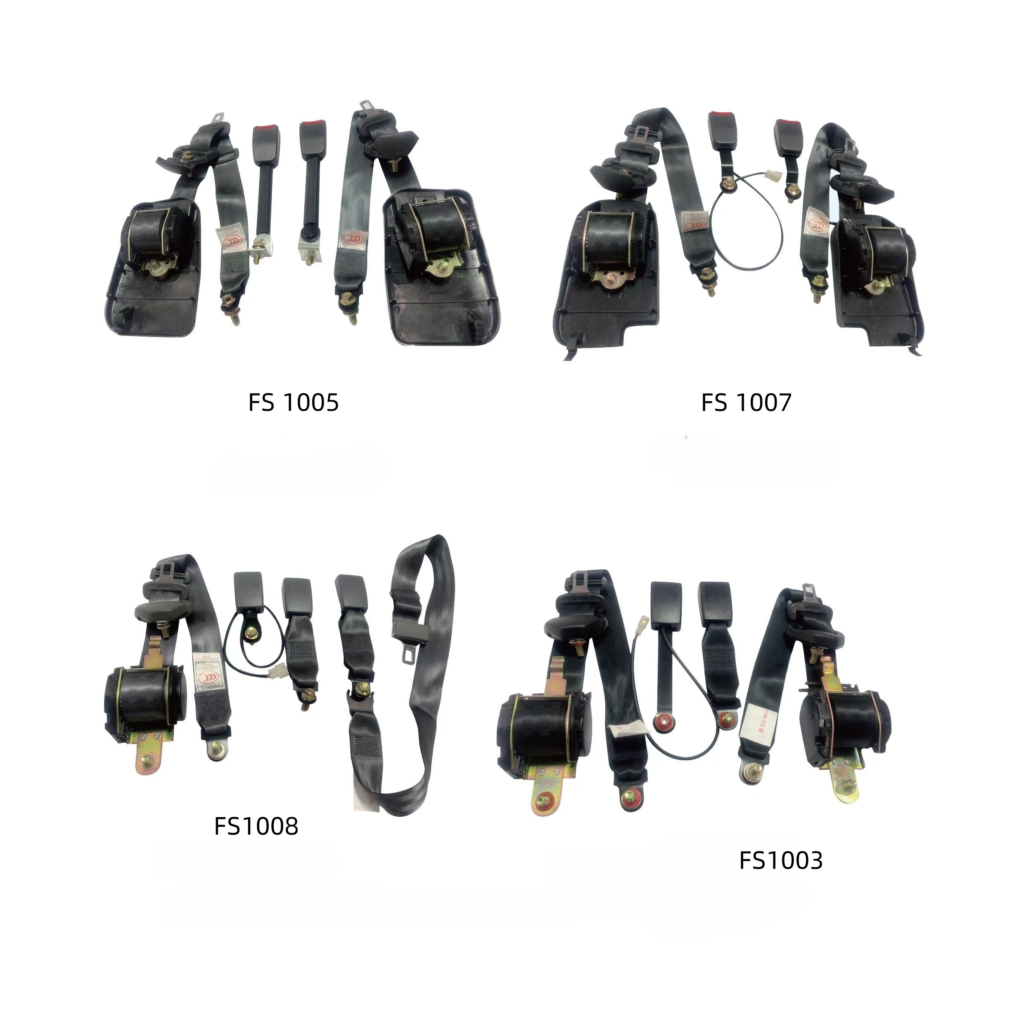
We specialize in providing clients all over the world with bespoke solutions, including substantial customization in webbing colors, lengths, and hardware configurations. Whether you need a standard 3-point seat belt or a custom seat belt buckle assembly, Yunzee is the preferred choice for automotive professionals worldwide because we ensure international safety compliance and dependable high-volume supply.
FAQs
How long does it usually take to receive orders for custom seat belts?
Depending on the amount of the order and level of customization, lead times for major B2B orders typically range from two to four weeks. We prioritize efficient manufacturing cycles in order to preserve the flow of your supply chain.
What components make up a seat belt’s total cost?
Mounting bolts, buckle hardware, retractor assembly (which often includes a pre-tensioner), and high-tensile webbing are all included in the price. Certification and compliance testing have an impact on pricing as well.
Do you permit customisation of seat belts?
Yes, Yunzee provides full OEM/ODM services. We may change the length, color, and hardware configuration to meet the precise technical requirements of your car brand.
How can the production process be guaranteed to be of high quality?
Every batch is subjected to a rigorous stress test. We employ automated testing equipment to verify retractor locking reliability, buckle release force, and webbing break strength in order to guarantee 100% compliance with international safety regulations.
Key Takeaways
- Total Cost: Search for fleet management options at the wholesale level, but set aside between $20 and $300 for retail replacement.
- Model Specificity: The type and model of seat belt have a significant impact on the price, depending on the vehicle’s requirements.
- Replacement: After a collision or retractor failure, a full replacement is the only safe option.
- The Yunzee seat belt manufacturer: Buying directly from a manufacturer ensures professional-grade durability, configurable options, and the best car seat belt price.