
Choosing the right car safety belt involves prioritizing high-quality materials (like polyester or nylon), stable structural designs (such as three-point seat belts), and certified safety standards over low prices. To guarantee your “lifeline” works in 2026, perform regular visual checks, test the locking and retraction mechanics, clean with mild soapy water, and replace belts every 5 to 8 years or immediately after any major collision.
Table of Contents
In car travel, the safety belt is the key equipment that keeps drivers and passengers safe. Picking the right one can save lives when it counts the most. So, how do you choose a car safety belt? You’ll want to consider it from multiple angles, including materials, structural design, manufacturing process, model and related details. Here’s a detailed breakdown.
Factors to Consider When Choosing a Safety Belt
1. Material of the safety belt
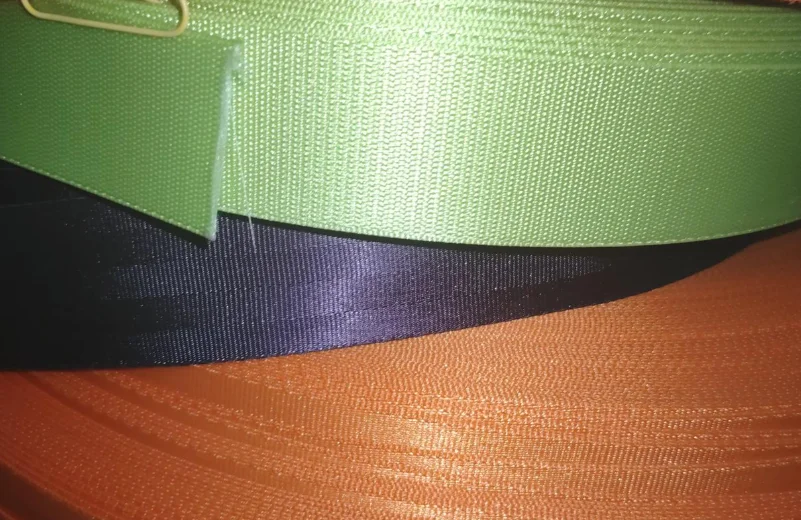
When it comes to materials, going for something with high strength and high toughness is the key. For example, polyester and nylon are good choices. Take a close look at the surface of the safety belt. If the color is even, the texture is fine, and there are no obvious flaws or roughness, it means that the material is good. When you touch it, the texture should feel smooth yet have a certain degree of toughness, not soft or overly stiff. That’s the hallmark of superior material. Some safety belts also have undergone special treatments, such as applying anti-corrosion coatings or incorporating special ingredients to improve performance. These details are how you really tell whether the material is good or bad.
2. Structural design of the safety belt
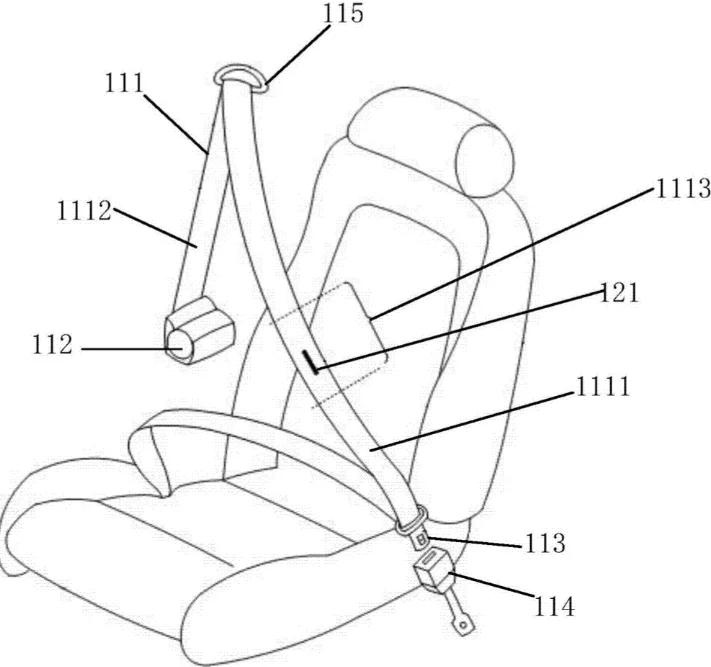
Structural design is just as crucial. A well-designed safety belt structure can evenly distribute the impact force at critical moments, reducing concentrated injury to any one part of the human body. For example, the three-point safety belt applies restraint force at key points such as the shoulder and waist, forming a stable restraint structure to protect the safety of drivers and passengers as much as possible. A well-thought-out structural design makes the safety belt fit closely to the human body so it won’t easily shake or shift.
3. Manufacturing process of the safety belt
When it comes to the manufacturing process, advanced technology is the guarantee of quality. High-frequency welding makes the connecting parts of the safety belt extremely firm, and the sewing thread is fine, uniform, and built to last. Look carefully at the edge of the safety belt. If the handling goes smoothly and there are no disjoints or burrs, you’re looking at a finely made product. These are the details that determine whether a safety belt will do its job when it matters.
4. Buckle type and price
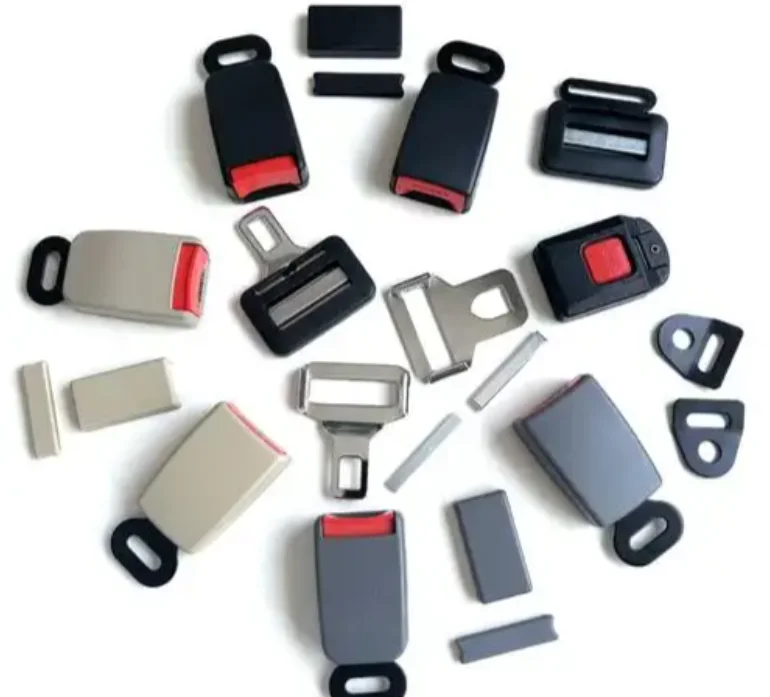
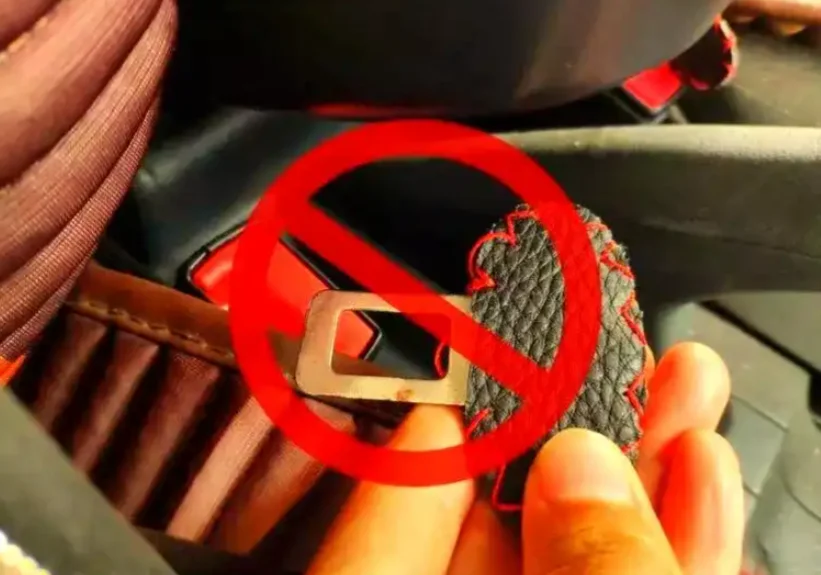
Next, let’s move on to car safety belt buckles. This small component, also known as a safety belt latch plate, connects the webbing to the buckle receptacle, designed for convenient fastening and unfastening for the driver and passenger. On the market, ordinary plastic buckles are very affordable, generally going for under a dollar to around ten dollars, depending on the material and quality. However, the price of metal buckles or those with cushioned design may be slightly higher, running from a few dollars to around seventy dollars. These high-end buckles tend to be more durable and just feel better to use.
5. Brands and standards
When buying, don’t just focus on the price, make sure that the chosen safety belt meets national safety standards. Although cheap safety belts are cheap, they may have hidden dangers in terms of durability, locking mechanism, safety performance, etc. It is wiser to choose high-quality safety belts from well-known brands that, despite being slightly more expensive, are a worthwhile investment for your safety and the safety of others. It is a good idea to compare across different options before purchasing, check the evaluations of users and professionals, and buy products with high cost performance.
6. Price of safety belts
The price of a safety belt depends on many factors, including material, type, brand, and quality. On the market, ordinary three-point or five-point car safety belts are very affordable, sometimes only costing a couple of dollars. However, advanced safety belts, such as professional three-point safety belts equipped with pre-tensioners, dynamic protection systems and other functions, can run you as much as a couple of dozen dollars or more. Similarly, there are differences in the prices of child safety belts (such as ISOFIX securing systems) and motorcycle safety belts.
What are the key points when buying a safety belt?
The choice of car safety belt model should be determined by what you actually need. The three-point safety belt works for most everyday driving scenarios; Five-and six-point safety belts provide more reliable protection for children or high-intensity sports vehicles. Pressure-free safety belts focus on ride comfort. When shopping, don’t forget to sweat the small stuff. safety belts that have been manufactured for too long may run the risk of aging. Check the retraction. It needs to be fast, strong, and return smoothly to pass muster. If there is any resistance, think twice. You need to observe the bottom of the safety belt for signs of moisture or mildew that can compromise the strength of the safety belt.
In addition to the price factor, the locking integrity of the buckle and the fit with the safety and safety belt are equally important. If you need to purchase multiple buckles for multiple safetys in your vehicle or for vehicle replacements, consider buying in bulk, which may work out cheaper. As an accessory for daily use, the quality and ease of use of the safety belt buckle are crucial, so you really don’t need chase high-end brands too much, but focus more on whether it meets your needs and guarantees reliable quality.
1. How should safety performance be prioritized?
In terms of safety performance, active pre-tensioned safety belts come first, actively tightening up before a crash. Next up is the double pre-tensioned safety belt, followed by the single pre-tensioned and force-limited type, and the basic type is relatively backward. Going in this order can guarantee maximum security.
2. Which safety belt should I choose for a family car?
Family cars are best served by three-point safety belts. It consists of a shoulder strap and a waistband that effectively distribute impact forces, making it perfect for everyday driving scenarios. When choosing a safety belt, check whether the buckle engages and releases smoothly and the retractor is sensitive — a gentle tug will tell you.
3. What are the precautions for special people?
When pregnant women ride, the lap belt must be positioned below the abdomen to avoid harm to the fetus. Children must be secured in belt safetys when riding in vehicles. For the rear row of vans, it’s recommended to go with three-point safety belts, the way Wuling Hongguang PLUS comes equipped with this configuration for rear passengers.
How to do a daily inspection of your safety belt
1. Check the appearance of your safety belt
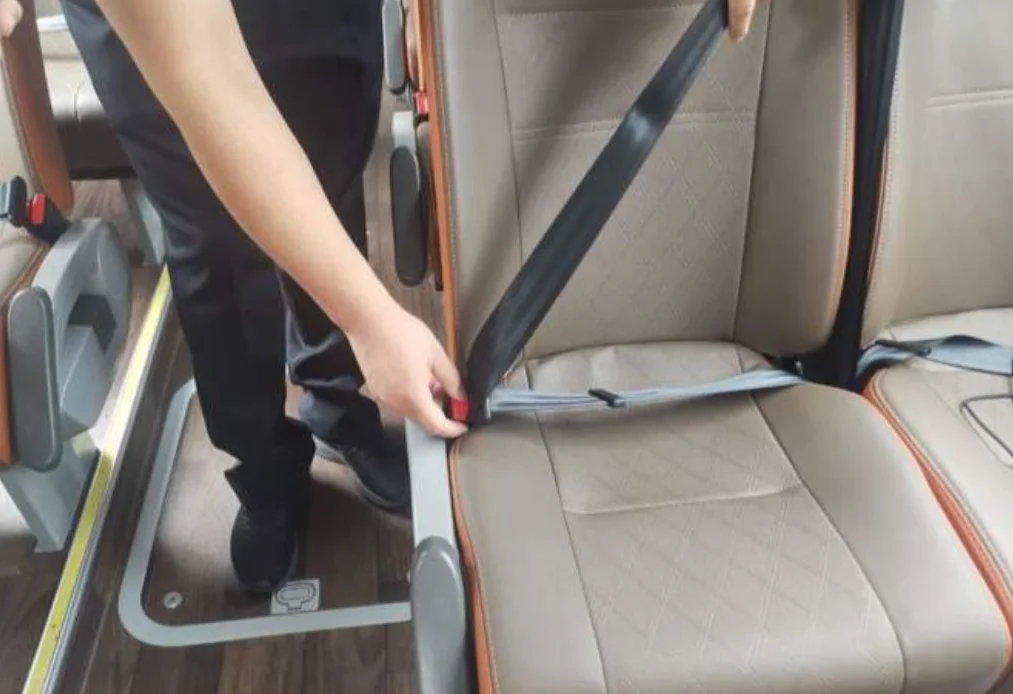
Check the appearance of your safety belt regularly to see if there are any wear, tears, breaks, etc. If the webbing shows obvious signs of abrasion or has fine cracks, its strength may be compromised, making it unable to withstand the huge pulling forces in the event of a collision, resulting in the safety belt failure. You’ll also want to check the buckle and latch plate of the safety belt for damage, deformation, or rust. If there is a problem with the locking buckle or latch plate, the safety belt may not lock or unlock properly, which poses hidden dangers to driving safety.
2. Test the safety belt function
Every once in a while, test how well the safety belt functions. You can gently pull on the safety belt and check that it retracts smoothly. Under normal circumstances, the belt should be able to automatically and slowly retract after pulling out a certain length. If it fails to retract smoothly, gets stuck, or refuses to retract at all, the retractor may be faulty. Also, test the locking function of the safety belt. With the safety belt fastened, give it a hard pull to check whether it can hold the body firmly and not easily loosen.
3. Check the safety belt anchorage
The safety belt anchorage includes things like the safety belt retractor, fixing bolts, and the like. Check for any loose or damaged fixtures. Gently shake the retractor to see if it is securely mounted to the vehicle body structure. If any anchorage is found to be loose, have it tightened or replaced at a professional auto repair shop as soon as you can. In addition to that, check the retaining bolts for signs of rust or damage to ensure they can withstand the tremendous forces exerted on the safety belt in the event of a collision.
Maintenance and care of safety belts
1. Clean the safety belt
The safety belt will pick up dust, stains, etc. during use. If left cleaned, it will affect both the appearance and performance of the safety belt. Mild soapy water and a soft towel can be used when cleaning the safety belt. Soak the towel in soapy water first, then gently wipe the webbing of the seat belt, being careful not to rub too forcefully or you might damage the webbing. For the buckle and latch plate, you can clean them with a clean toothbrush dipped in a small amount of soapy water to remove dust and debris inside. Once cleaning is complete, dry the safety belt with a clean wet towel and place it in a well-ventilated area away from direct sunlight.
2. Avoid exposing the safety belt to heat and chemicals
The webbing materials of safety belts are generally sensitive to high temperatures and chemicals. When parking, try to avoid leaving the vehicle in direct sunlight for long periods of time so the safety belt doesn’t deform or get damaged from baking at high temperatures. Also, keep the safety belt away from chemicals such as gasoline, engine oil, acids, and alkalis, which may corrode the webbing and metal parts of the safety belt and shorten its service life and hurt its performance.
3. Change your auto safety belt regularly
Although the service life of the safety belt is relatively long, its performance will gradually decline as time passes and usage adds up. Generally speaking, after 5 to 8 years of safety belt use, it is recommended to go to a professional auto repair shop for inspection and evaluation. If the safety belt is found to be seriously worn, aged or poses other safety hazards, get it replaced sooner rather than later. Additionally, if the vehicle has ever been involved in a serious collision, it is recommended to replace the safety belt with a brand new one, even if the safety belt doesn’t show significant damage in the accident, because the huge impact forces generated during the collision can cause potential damage to the safety belt internals.
The car safety belt is an important device to protect the lives of drivers and passengers, so it’s often called the “lifeline” of vehicle safety. In 2026, we must use our safety belts properly and perform regular inspections and maintenance to ensure they work the way they should at critical moments. Only by taking the use and upkeep of safety belts seriously can we provide a reliable guarantee for our driving safety.
Key Takeaways
1. Selection & Purchase
- Material Matters: Choose high-strength, high-toughness materials like polyester or nylon. The texture should feel smooth, even-colored, and firmly resilient.
- Structure & Type: Three-point safety belts are best for standard family cars. Five- or six-point belts are safer for children and high-intensity sports.
- Safety Hierarchy: Active pre-tensioned safety belts offer the highest level of protection, followed by double pre-tensioned, single pre-tensioned, and lastly, basic types.
- Quality Over Price: Avoid ultra-cheap options. Invest in certified, well-known brands that meet national safety standards.
2. Daily Inspection
- Visual Check: Inspect the webbing regularly for cracks, frays, or tears. Check metal buckles and latch plates for rust, deformation, or mildew.
- Functional Test: Pull the belt to ensure it retracts smoothly without sticking, and give it a hard yank to confirm the locking mechanism catches firmly.
- Anchorage Check: Ensure the retractor and fixing bolts are tightly secured to the vehicle body and do not shake.
3. Maintenance & Replacement
- Cleaning: Wash webbing gently with mild soapy water and a soft towel. Clean buckles with a toothbrush. Avoid direct sunlight when drying.
- Protection: Keep safety belts away from high heat and corrosive chemicals (like gasoline, motor oil, or acids).
- Lifespan: Proactively have safety belts evaluated or replaced every 5 to 8 years.
- Accident Rule: Always replace safety belts after a serious collision, even if they show no visible damage, as internal structural integrity may be compromised.